.webp)





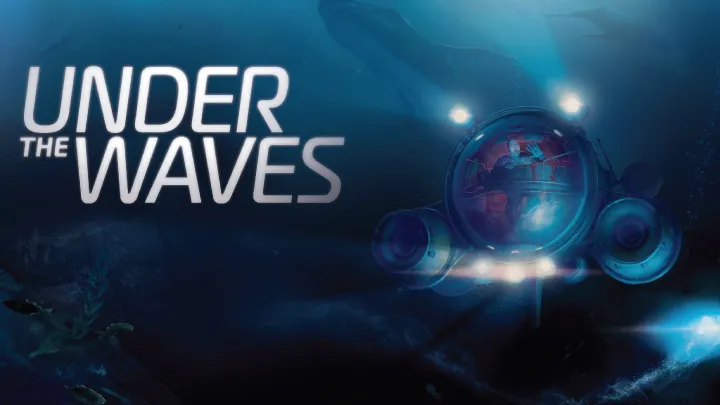
Under the Waves emerges as a compelling narrative-driven game set in an enchanting yet haunting underwater world. Developed by Parallel Studio and published by Quantic Dream, this title offers players an immersive experience that emphasizes storytelling, exploration, and emotional depth. One specific issue that arises in Under the Waves is the challenge of addressing themes of isolation while also promoting engagement in the gameplay experience. This article will delve into how Under the Waves tackles this complex subject, examining gameplay mechanics, narrative intricacies, and the emotional responses elicited from players.
Introduction: Setting the Underwater Stage
Under the Waves places players in the role of Stan, an oil worker who becomes embroiled in his emotional journey while diving beneath the ocean's surface. The game presents a unique premise that intertwines personal exploration with environmental commentary, creating a rich canvas for both gameplay and narrative engagement.
Context of the Game
Set in a near-future world, Stan's story unfolds against the backdrop of the ocean's vastness, which serves as both a source of wonder and a reminder of his isolation from the world above. The juxtaposition of beauty and despair is essential to understanding the emotional core of the game and the challenges it seeks to address.
Artistic Vision
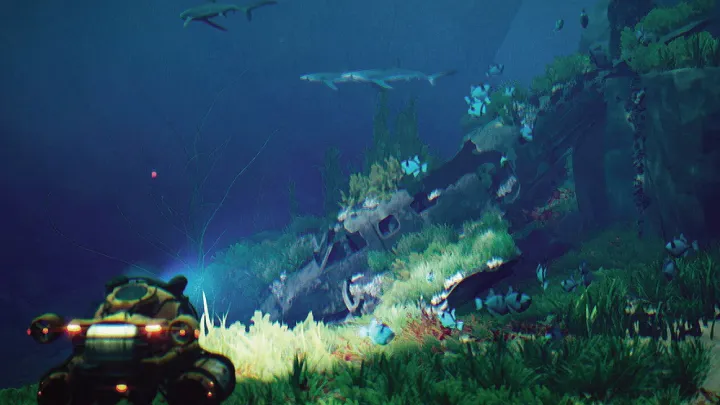
The game's visuals are striking, with detailed underwater environments that create a sense of immersion. The art style not only enhances the exploration aspect but also plays a crucial role in conveying the emotional tones tied to isolation and introspection.
Themes of Isolation: An Underlying Current
Isolation is a key theme in Under the Waves, manifesting through both narrative elements and gameplay mechanics. The game explores how solitude affects relationships, well-being, and personal identity.
Emotional Weight of Solitude
Stan's character is defined in part by his isolation. As he struggles with memories of his past and his current situation, players feel the weight of loneliness he experiences. This emotional undertone resonates throughout the gameplay, impacting how players perceive their actions.
Psychological Dimensions
Isolation can take a psychological toll, and the game invites players to explore this aspect. Stan's encounters and reflections often lead to moments of vulnerability where players grapple with the implications of solitude and its effects on mental health.
Creating a Perception of Isolation
The underwater setting serves as both a literal and metaphorical representation of isolation. The vastness of the ocean amplifies Stan's solitude, creating a feeling of being trapped not just physically but emotionally. This theme is integral to the narrative, compelling players to reflect on their own experiences of loneliness.
Gameplay Mechanics: Engaging with Isolation
The challenge lies in how gameplay mechanics parallel the theme of isolation while still maintaining player engagement. Under the Waves implements various systems that engage players with both the environment and the story.
Exploration Mechanics
Exploration forms the crux of gameplay. Players navigate the ocean depths, utilizing various submarines and tools to uncover debris, explore wrecks, and interact with the surrounding ecosystem.
Stress of Navigation
While exploring, players face challenges such as resource management, environmental hazards, and the psychological weight of being alone in a vast, uncharted space. These challenges create a sense of urgency and tension, enhancing the theme of isolation.
Balancing Exploration with Emotional Engagement
The narrative is intricately tied to exploration mechanics, from collecting memories to engaging with remnants of other characters. However, the balance between these mechanics can be a delicate one.
Interactivity and Lore Integration
Larger narratives should emerge from exploration. To retain player engagement, the game must ensure that the act of exploring leads to meaningful emotional connections with Stan's story and triggers moments of introspection.
The Role of Storytelling
Under the Waves excels in its storytelling, using narrative devices to enhance the themes of isolation. The unfolding story is drawn through environmental cues and player interactions, enriching the experience.
Personal Narrative Arc
The game weaves a deeply personal story that focuses on Stan's struggles. Players face tough choices that reflect Stan's emotional turmoil, affecting how they engage with the narrative.
Flashbacks and Memories
Flashbacks play a critical role in revealing Stan's backstory and the relationships he leaves behind. These moments offer glimpses into his past and enhance the emotional stakes of his journey.
Narrative Choices and Consequences
Making choices that impact the narrative adds depth to the gameplay. Players are challenged to consider the implications of their actions as they navigate through both personal and external conflicts in the story.
Plot Branching
The game features branching decisions that develop relationships with other characters. How players choose to resolve conflicts, communicate with others, or express vulnerability can affect the course of the narrative.
Environmental Storytelling: Crafting the Atmosphere
The underwater world of Under the Waves offers more than just stunning visuals; it serves as a rich narrative canvas for environmental storytelling. The game’s design choices influence how isolation is experienced and perceived.
Immersion through Environment
Every environment players encounter is populated with remnants of human activity, giving context to the story. The carefully designed locations tell stories of past endeavors, from empty buildings to shipwrecks.
Cues of Isolation
Environmental storytelling reinforces the themes of isolation. Abandoned structures and objects left behind evoke feelings of loneliness, solitude, and history—further immersing players in Stan's experience.
Creating Emotional Resonance
Locations should evoke emotions that mirror Stan’s internal struggles. As players explore, they should feel a connection between the environment and the emotional narrative, strengthening immersion.
Player Agency and Empowerment
One of the challenges in Under the Waves is ensuring that player agency informs the narrative while respecting the themes of isolation and personal journey.
Meaningful Choices
Player choices should have genuine effects on the narrative, allowing them to shape Stan's emotional path. Every decision made should resonate at both the gameplay and narrative levels.
The Risk of Over-Simplification
However, simplifying choices for the sake of clarity can undermine the game's emotional impact. Players should feel that their agency leads to significant growth or change, making every decision meaningful.
Balancing Freedom with Narrative Structure
Finding the right balance between offering players freedom and maintaining a coherent narrative structure is vital. Players should have the freedom to explore different paths without detracting from the emotional core of Stan's journey.
Suggestions for Player Engagement
- Interactive Dialogue Options: Including diverse dialogue choices that can shape interactions based on emotional tones can increase engagement and personal investment in the story.
- Dynamic Relationship Building: Relationships with NPCs should evolve based on player choices, providing unique story avenues that reflect player agency.
Community Reception and Player Feedback
As Under the Waves nears release, engaging with community feedback becomes essential for developers. Understanding player reactions plays a crucial role in refining gameplay and narrative elements.
Gathering Player Insights
Seeking feedback from players can provide valuable insights into their thoughts on gameplay mechanics, narrative engagement, and emotional impact. Community forums and early access playtests can serve as platforms for dialogue.
Celebrating Player Experiences
Recognizing players' experiences helps developers tailor the game to better align with community expectations while preserving the essence of the story.
Iterative Development
Incorporating feedback into post-launch updates can lead to continuous improvements in gameplay mechanics and narrative depth. Regular communication regarding updates fosters trust and encourages player loyalty.
The Future of Under the Waves
As Under the Waves evolves, the possibility for future content and updates offers exciting prospects. Engaging players continuously and addressing their concerns will play a crucial role in sustaining interest.
Expanding the Story
Expansions can introduce new narrative arcs, mechanics, or abilities that enhance the core experience. New content can offer players further adventures and deeper dives into the lore.
Seasonal Events and Community Challenges
Seasonal events can create shareable experiences that foster community engagement and encourage players to return to the game. Unique rewards for participation can further enhance motivation.
Building a Lasting Legacy
By focusing on the delicate balance of gameplay mechanics, building emotional resonance, and engaging player feedback, Under the Waves can create a lasting impact within the gaming community.
Conclusion
Under the Waves navigates the intricate challenge of blending themes of isolation and discovery with engaging gameplay mechanics. By effectively utilizing environmental storytelling, incorporating player choices, and ensuring community feedback is at the forefront, developers have the potential to offer a captivating experience. As players take a deep dive into the emotional waters of Stan’s journey, the game unfolds not only as an adventure through the ocean depths but also as a poignant exploration of human experience and vulnerability.