.webp)

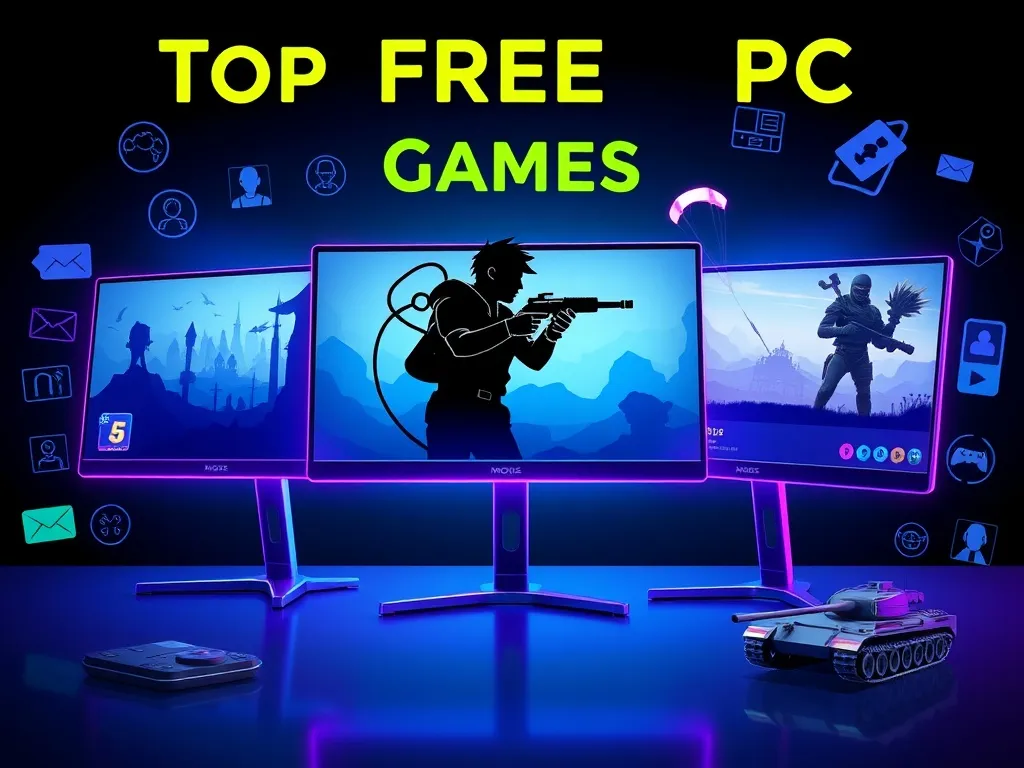
Free-to-play multiplayer games continue to dominate the PC landscape, offering a wide array of experiences across genres — from competitive shooters and MOBAs to co-op looter-shooters and social sandboxes. With continual updates, seasonal content, and thriving player communities, many of these titles deliver high-quality, long-term engagement without asking for an upfront purchase. Below we highlight some of the best free multiplayer games you can jump into today, explaining what each game offers, how it plays, and why it remains worth your time.
1. League of Legends
Introduction
League of Legends (LoL), developed by Riot Games, remains the benchmark for modern MOBAs. Since its release in 2009, LoL has refined the 5v5 summoner experience into a deep, highly competitive ecosystem centered on champion diversity, macro play, and esports-level competition.
Gameplay Analysis
Matches revolve around two teams attempting to destroy the enemy Nexus while managing lanes, jungle control, and objectives such as dragons and Baron Nashor. Players select champions with unique kits and item builds, and success depends on micro-mechanics (last-hitting, skill shots, positioning) and macro decision-making (rotations, objective timing, vision control). The ranked ladder and frequent balance patches encourage continuous learning and meta adaptation.
Evaluation
LoL’s strengths lie in its sheer depth and community infrastructure — tutorial systems, coaching content, and a persistent esports scene keep players engaged. The learning curve is steep, but the payoff is high: mastering a champion or a role brings meaningful progression. Riot’s seasonal updates and events maintain freshness, though newcomers may be intimidated by both the complexity and competitive atmosphere.
2. Dota 2
Introduction
Valve’s Dota 2 is a monumental presence in the MOBA space, renowned for its complexity, tactical depth, and high skill ceiling. While similar in structure to other MOBAs, Dota 2 emphasizes resource denial, ownership of creeps, and precise timing.
Gameplay Analysis
Dota 2’s matches hinge on hero selection synergies, lane control, and meticulous resource management. The game rewards strategic plays such as denying creeps, securing runes, and orchestrating team fights around Roshan. Unlike faster-paced MOBAs, Dota 2 often features extended strategic battles where one misstep can be ruthlessly punished.
Evaluation
Dota 2 remains a masterpiece for players who relish uncompromising strategic depth. The game’s community and tournament scene are robust, with The International showcasing record-breaking prize pools. The learning curve is unforgiving, but those who invest time find a rich and rewarding competitive world.
3. Counter-Strike 2 (CS2)
Introduction
Counter-Strike 2, Valve’s continuation of the legendary Counter-Strike franchise, modernizes the tactical shooter experience with updated visuals and refined networking. CS2 preserves the core objective-based gameplay that has defined the series for decades.
Gameplay Analysis
Matches are played in rounds between terrorists and counter-terrorists, with each side completing bomb or defusal objectives or forcing the opponent’s elimination. Success hinges on precision aiming, map control, economic management, and utility usage (smokes, flashes, grenades). CS2 refines these fundamentals while integrating technical improvements that enhance fairness and clarity.
Evaluation
CS2’s enduring appeal comes from its elegant simplicity: rounds reset quickly, skill is immediately rewarded, and the competitive ladder is an excellent proving ground for serious players. The modding community and workshop maps further extend replayability. New players may find the skill floor demanding, but the game rewards practice and teamwork.
4. Valorant
Introduction
Valorant, Riot Games’ hero-based tactical shooter, blends precise gunplay with agent abilities, offering a fresh take on competitive shooters. Valorant focuses on tight mechanical play augmented by unique agent utilities.
Gameplay Analysis
Two teams of five compete in objective rounds, similar to traditional tactical shooters, but each agent brings a roster of abilities that impact positioning, sightlines, and engagements. Strategic ability usage differentiates Valorant — smoke walls, recon tools, and area-denial abilities change how rounds are approached. Map knowledge and crosshair discipline remain crucial.
Evaluation
Valorant successfully merges the rigor of tactical shooters with the strategic diversity of hero shooters. Its ranked system and steady content updates sustain an active player base. For players who enjoy both aim-based competition and layered strategy, Valorant is an excellent choice. Occasional balance issues and agent power spikes are mitigated by Riot’s rapid patch cadence.
5. Apex Legends
Introduction
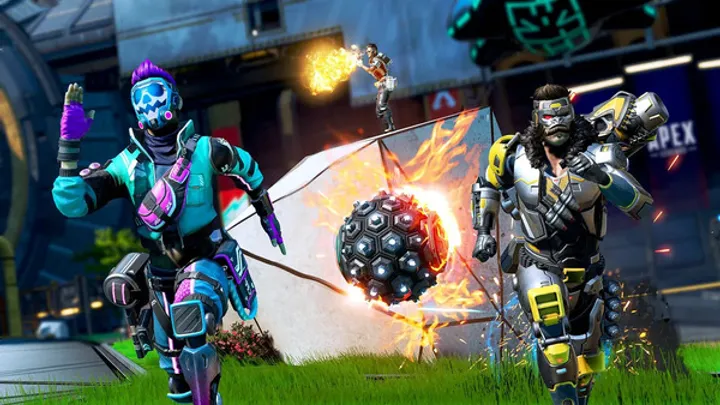
Apex Legends, from Respawn Entertainment, reimagined battle royale by focusing on trio squads, class-based Legends, and fluid movement. The game emphasizes mobility, team synergy, and fast-paced firefights.
Gameplay Analysis
Each Legend has a unique passive, tactical, and ultimate ability, which shapes team composition and combat tactics. Movement mechanics — sliding, climbing, and ziplining — enable dynamic positioning and aggressive plays. The ping system, lauded for improving communication without voice, helps squads coordinate effectively.
Evaluation
Apex Legends stands out for its polished gunplay and movement systems. Regular seasons add new Legends, weapons, and limited-time modes, keeping the meta shifting. Its emphasis on team play makes it especially rewarding when played with friends, though solo or random squads can still find success thanks to the robust ping system.
6. Fortnite
Introduction
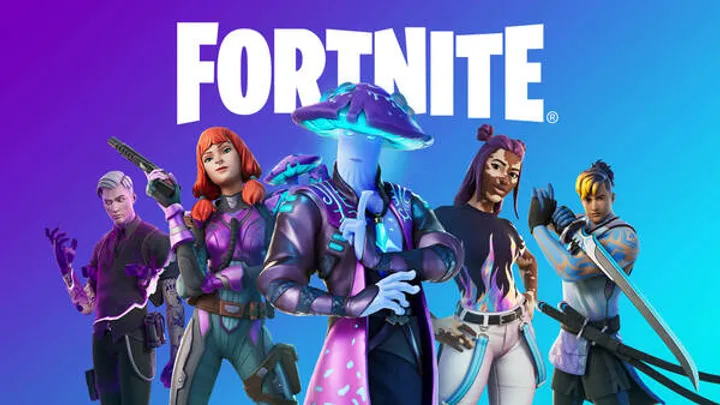
Fortnite from Epic Games has grown into a global cultural platform beyond its battle royale roots. Its building mechanics, creative modes, and frequent crossovers make it a versatile multiplayer playground.
Gameplay Analysis
Fortnite’s core loop combines gunfights with instant construction: players gather materials to build structures that provide cover, verticality, and tactical advantages. Creative modes and user-generated maps allow players to experience custom game types, while live in-game events and collaborations keep the game culturally relevant.
Evaluation
Fortnite’s unique blend of shooting and building rewards creativity and quick thinking. Its low barrier to entry and constant new content make it accessible and addictive. Some players dislike the cartoonish aesthetic or the emphasis on building, but those who embrace its systems find a deep and entertaining multiplayer experience.
7. Genshin Impact
Introduction
Genshin Impact, by HoYoverse, brings an extensive open-world action RPG to PC with generous production values and co-op multiplayer. While not a traditional multiplayer-only title, its online features and cross-platform play deepen the experience.
Gameplay Analysis
Players explore the vast world of Teyvat, switching between characters mid-combat to trigger elemental reactions and combos. Co-op enables friends to tackle domains, bosses, and exploration together, though certain content remains single-player focused. The core loop combines exploration, puzzle-solving, and action-driven combat.
Evaluation
Genshin Impact is exceptional for players who enjoy narrative-rich worlds and fast-paced action. The gacha systems monetize character acquisition but aren’t necessary to enjoy the bulk of the game. Regular updates, new regions, and story chapters provide ongoing reasons to return, and co-op adds a cooperative layer to exploration and combat.
8. Warframe
Introduction
Warframe, developed by Digital Extremes, is a cooperative action-looter with an emphasis on movement and customizable Warframes. Over years of updates, it has evolved into a sprawling sci-fi universe with deep progression systems.
Gameplay Analysis
Players control Warframes — biomechanical suits with distinct abilities — across mission types that range from stealth infiltration to large-scale combat. The game rewards fluid parkour movement, combo-driven melee, and an arsenal of customizable weapons. Crafting, mods, and a vast collection of Warframes create a long-term progression loop.
Evaluation
Warframe’s generosity and depth make it one of the most compelling free-to-play offerings. Its cooperative focus is ideal for groups of friends, and its ongoing narrative developments and cinematic quests add substantial value. The abundance of systems can feel overwhelming at first, but the community and comprehensive guides ease the onboarding process.
9. Call of Duty: Warzone
Introduction
Call of Duty: Warzone brought the CoD franchise’s signature gunplay to a free-to-play battle royale format, combining familiar mechanics with large-scale engagements and franchise staples.
Gameplay Analysis
Warzone emphasizes fast reflexes, weapon customization via the Gunsmith system, and tactical play across sprawling maps. The Gulag mechanic offers eliminated players a chance for redemption, and loadout drops allow teams to access personalized weapon configurations mid-match.
Evaluation
Warzone is a standout for fans of quick, fluid shooters who appreciate depth in weapon tuning and perks. Seasonal updates and new modes maintain momentum, though the game’s performance and balancing can vary with large patches.
10. Roblox
Introduction
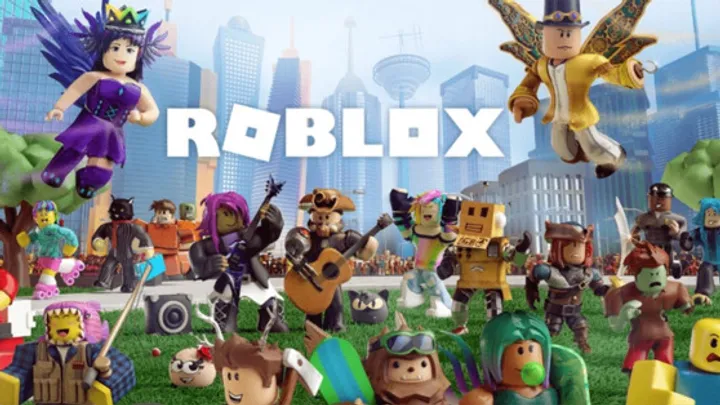
Roblox is less a single game and more a platform: a massive collection of user-created experiences spanning genres. Its social and creative focus makes it a perennial favorite, particularly for players who enjoy creation and community-driven content.
Gameplay Analysis
Roblox offers everything from obstacle courses and social hangouts to competitive shooters and RPGs. Because experiences are player-made, the quality varies, but standout titles and polished communities make for memorable sessions. Creation tools allow creators to monetize and iterate on popular game modes within the platform.
Evaluation
Roblox’s diversity is its greatest strength — it’s a place to both play and build. For players interested in game design or social multiplayer experiences, Roblox is a treasure trove. The platform’s moderation and quality control vary, so players should explore reviews and creators’ reputations when trying new experiences.
11. Hearthstone
Introduction
Blizzard’s Hearthstone is a streamlined digital card game that translates collectible card mechanics into accessible, competitive matches. Its regular expansions and rotating formats keep the meta evolving.
Gameplay Analysis
Players construct decks from collectible cards and battle in turn-based matches where resource curve, tempo, and board control determine outcomes. Multiple modes, including Arena and Battlegrounds (auto-battler), offer diverse playstyles.
Evaluation
Hearthstone’s approachable presentation belies deep strategic gameplay. Regular expansions refresh the card pool and meta, and the variety of modes accommodates both casual and competitive players. As with any card game, the monetization model can be frustrating for collectors, but free-to-play progression routes exist.
12. World of Tanks
Introduction
World of Tanks focuses on tactical armored combat, offering 15v15 matches across historically inspired and fictional maps. Its emphasis on positioning and teamwork distinguishes it from more twitch-based shooters.
Gameplay Analysis
Players select tanks from various nations and tiers, adapting loadouts to roles like sniper, brawler, or support. Battles reward map knowledge, angling, and coordinated pushes. The progression model unlocks larger and more specialized vehicles over time.
Evaluation
World of Tanks appeals to strategy-minded players who enjoy methodical combat and vehicle customization. Matches can feel slower than other multiplayer titles, but for those who value tactical depth and historical flavor, it’s a rewarding experience.
Why Free Multiplayer Games Thrive
Free-to-play multiplayer games have matured into robust ecosystems because they balance accessibility with depth. Developers can sustain ongoing content through seasons, cosmetic monetization, battle passes, and expansions without charging upfront. This model lowers the barrier to entry and creates opportunities for massive communities to form around shared experiences. Additionally, cross-platform play, social features like clans and friends lists, and frequent live events keep players invested long-term.
How to Choose the Right Free Game for You
- Consider your time commitment: MOBAs and MMOs like LoL and Dota 2 demand learning investment, while battle royales and casual platforms like Roblox offer quicker sessions.
- Playstyle matters: prefer team strategy? Try LoL, Dota 2, or World of Tanks. Love precise gunplay? CS2 or Valorant are ideal. Want narrative and exploration? Genshin Impact fits well.
- Social features: if you enjoy playing with friends, prioritize games with strong party systems and voice/comms tools.
- Monetization tolerance: some games are generous (Warframe), others rely on gacha or cosmetics (Genshin, Fortnite). Pick a model you’re comfortable with.
Final Thoughts
The current free multiplayer landscape offers something for every type of player. From the strategic battlegrounds of MOBAs and tank warfare to high-octane shooters and cooperative sci-fi adventures, these games prove that great experiences don’t always require a purchase. Whether you’re seeking competitive rigor, cooperative escapism, or creative platforms, the titles above are excellent starting points — and they’re just a download away.