.webp)








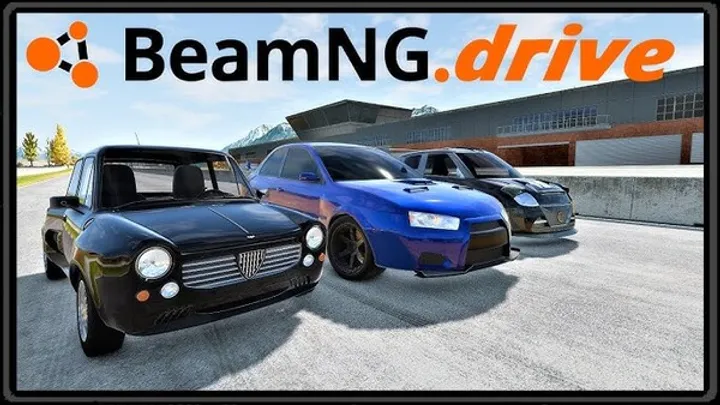
BeamNG.drive is unlike almost any other driving game on the market. While many racing games focus on speed, competition, and arcade-style handling, BeamNG.drive is built around one core feature: realistic soft-body physics. Every collision, suspension movement, tire deformation, and vehicle failure is simulated in remarkable detail. As a result, success in BeamNG.drive requires a very different approach compared to traditional racing games.
Many new players enter BeamNG.drive expecting a simple driving simulator and quickly find themselves crashing repeatedly, damaging vehicles, or struggling to control powerful cars. The game's realistic physics reward patience, mechanical understanding, and smooth driving habits rather than aggressive inputs and reckless speed.
This guide explores the most important tips and techniques for mastering BeamNG.drive. Whether you are a beginner learning basic controls or an experienced player seeking advanced driving knowledge, these strategies will help you get more enjoyment and success from the game.
Understanding Why BeamNG.drive Is Different
The first step toward mastering BeamNG.drive is understanding that it is not designed like a traditional racing game. Most driving games simplify vehicle behavior to make driving easier and more accessible. BeamNG.drive does the opposite by simulating real-world vehicle dynamics.
Every action affects the vehicle. Braking too hard shifts weight forward. Accelerating aggressively can cause wheelspin. Entering a corner too quickly may overload the tires and reduce grip. The physics engine continuously calculates these effects, creating highly realistic outcomes.
Players who accept this philosophy early often improve much faster because they stop fighting the physics and begin working with them.
Key Mindset Changes
Remember:
- Smooth inputs produce better results.
- Crashes have realistic consequences.
- Vehicle weight matters.
- Tire grip is limited.
- Speed is not always the fastest solution.
Choosing the Right Vehicle for Learning
One common mistake beginners make is selecting the fastest or most powerful vehicle available. While high-performance cars are exciting, they are often difficult to control for inexperienced drivers.
Lower-powered vehicles provide a much better learning environment. They allow players to focus on steering, braking, cornering, and understanding vehicle balance without constantly fighting excessive acceleration.
Just as real-world driving schools use manageable vehicles for training, BeamNG.drive rewards starting with simpler cars before progressing to more demanding machines.
Recommended Beginner Vehicle Traits
Learning becomes easier when the vehicle is predictable and forgiving.
Look for:
- Moderate horsepower.
- Stable handling.
- Front-wheel drive or balanced setups.
- Comfortable suspension.
- Good braking performance.
Mastering Basic Vehicle Control
Vehicle control begins with understanding how to apply steering, throttle, and braking inputs smoothly. Abrupt actions often create instability, especially at higher speeds.
Many new players treat controls like switches, instantly applying maximum throttle or steering lock. Real vehicles do not respond well to this behavior, and neither do BeamNG.drive vehicles.
Smooth inputs allow weight transfer to occur gradually, helping tires maintain grip and improving overall control.
The Importance of Smoothness
Professional drivers are often smoother than beginners rather than more aggressive. BeamNG.drive accurately rewards this principle.
Focus on:
- Gradual acceleration.
- Progressive braking.
- Controlled steering.
- Stable corner entries.
- Consistent vehicle balance.
Learning Weight Transfer and Vehicle Balance
One of the most important concepts in BeamNG.drive is weight transfer. Whenever a vehicle accelerates, brakes, or turns, weight shifts between the tires.
This movement directly affects grip. Under braking, front tires gain load while rear tires become lighter. During acceleration, the opposite occurs. Cornering shifts weight toward the outside tires.
Understanding these changes helps players predict vehicle behavior and prevent many common accidents.
How Weight Transfer Affects Handling
Improper weight management is responsible for countless crashes.
Common examples
- Hard braking can cause rear instability.
- Sudden steering can upset balance.
- Excessive throttle can reduce front grip.
- Rapid corrections may create spins.
- Uneven terrain amplifies weight movement.
Improving Cornering Technique
Cornering is where many players gain or lose control of their vehicle. Entering a turn too quickly often results in understeer, oversteer, or complete loss of control.
The most effective strategy is completing most braking before turning. This allows the tires to focus on generating cornering grip rather than simultaneously handling excessive braking forces.
Smooth cornering not only improves safety but also often results in faster overall lap times.
The Ideal Corner Sequence
Follow these steps
- Brake before the corner.
- Release brakes gradually.
- Turn smoothly.
- Maintain balance.
- Accelerate progressively on exit.
This approach maximizes tire grip throughout the entire maneuver.
Understanding Vehicle Damage and Mechanical Failure
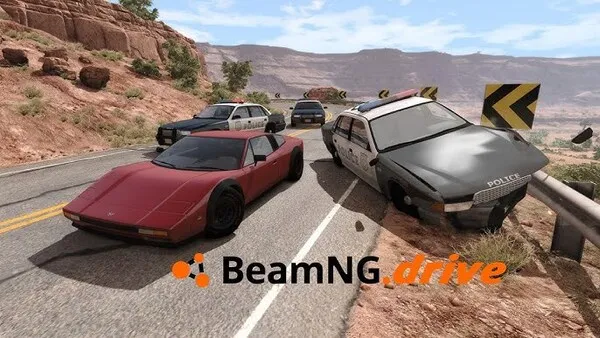
Unlike many driving games where collisions have minimal consequences, BeamNG.drive simulates vehicle damage in extraordinary detail. Suspension components bend, engines fail, radiators leak, and steering systems can become unusable.
Learning to recognize damage is an important skill. Sometimes a vehicle remains drivable after an accident, while other situations require immediate repairs or a restart.
Understanding mechanical limitations helps players make smarter decisions after collisions.
Signs of Serious Damage
Watch for:
- Pulling to one side.
- Engine overheating.
- Steering instability.
- Tire deformation.
- Reduced acceleration.
Recognizing these symptoms early can prevent further damage.
Using Different Driving Surfaces Effectively
BeamNG.drive features a wide variety of terrain types, including asphalt, dirt, gravel, mud, grass, and rocks. Each surface dramatically changes vehicle behavior.
Many accidents occur because players attempt to drive on loose surfaces using techniques designed for paved roads. Reduced traction requires different braking distances, steering inputs, and throttle application.
Adapting to terrain is a critical part of becoming a versatile driver.
Surface-Specific Driving Tips
On gravel and dirt:
- Reduce speed.
- Brake earlier.
- Use smoother steering.
- Expect longer stopping distances.
- Avoid sudden corrections.
These adjustments improve stability and control.
Exploring Advanced Driving Techniques
After mastering basic control, players can begin exploring more advanced driving techniques. These include trail braking, throttle steering, controlled oversteer, and advanced weight-transfer management.
While these techniques can improve performance, they require patience and practice. Attempting them too early often creates more problems than benefits.
Advanced skills should build upon strong fundamentals rather than replace them.
Techniques Worth Learning
Advanced skills include:
- Trail braking.
- Left-foot braking.
- Drift control.
- Rally driving techniques.
- Emergency recovery maneuvers.
Each technique expands a driver's ability to handle challenging situations.
Optimizing Vehicle Setups and Configurations
BeamNG.drive allows players to modify vehicles extensively. Suspension settings, tire choices, gearing, differential behavior, and engine upgrades can all dramatically influence performance.
Many players install upgrades without understanding their effects. More power is not always beneficial if the vehicle cannot effectively use it.
The best setups match the intended driving environment and driving style.
Setup Priorities
Consider adjusting:
- Suspension stiffness.
- Tire compounds.
- Brake strength.
- Gear ratios.
- Differential settings.
Small adjustments often produce significant improvements.
Building Long-Term Driving Skills
The final step toward mastery is developing consistency. Fast laps and spectacular maneuvers are impressive, but consistent control demonstrates true skill.
Experienced BeamNG.drive players focus on reducing mistakes rather than chasing maximum speed at every opportunity. Reliability often leads to better results than occasional brilliance.
Long-term improvement comes from deliberate practice and continuous learning.
Habits of Successful Players
Focus on:
- Consistent driving.
- Learning from crashes.
- Practicing difficult skills.
- Experimenting with vehicles.
- Understanding physics principles.
Every session provides opportunities to improve.
Conclusion
BeamNG.drive stands apart from other driving games because of its commitment to realistic vehicle physics and damage simulation. Success depends not on memorizing shortcuts or exploiting game mechanics but on understanding how real vehicles behave under various conditions.
Players who learn smooth control inputs, weight transfer management, proper cornering techniques, and vehicle setup fundamentals will quickly discover that the game becomes far more rewarding. What initially appears difficult gradually transforms into one of the most realistic and satisfying driving experiences available.
Ultimately, mastering BeamNG.drive is a journey rather than a destination. Every vehicle, surface, and driving scenario presents new challenges to overcome. By focusing on the principles outlined in this guide, players can build the skills needed to enjoy the game at a much deeper level while experiencing everything its advanced physics system has to offer.