Tips and Tricks to Become a Winner in Look Outside

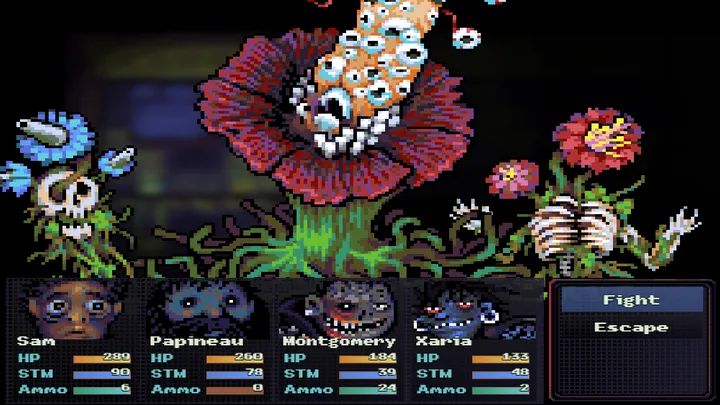
Look Outside is a tense psychological survival–horror puzzle game built around observation, decision-making, and environmental awareness. You don’t win by fighting or rushing—you win by staying calm, reading subtle clues, and learning the logic behind what the game does not tell you directly. Many new players fail because they treat the game like a typical escape-room challenge, but Look Outside demands deeper attention and careful thought.
Below is a complete guide to help you survive, decode patterns, and become a consistent winner in Look Outside.
Understand the Core Mechanics First
Before mastering the game, you must understand how Look Outside works.

Key concepts:
- The world reacts to your choices
- Wrong actions trigger unseen consequences
- Small sounds or movements are major clues
- Time, lighting, and angles matter
- Winning requires observing long before moving
Once you understand this, you stop reacting blindly and start predicting danger.
Pay Extreme Attention to the Environment
The environment is your greatest teacher. Every object, sound, and visual distortion exists for a reason.
Pay attention to:
- Shadows not matching light sources
- Objects slightly moved from previous runs
- Doors that “shouldn’t” be open
- Changes in ambient sound
- Windows showing abnormal reflections
If something feels off, it is off. Treat it as a warning.
Do Not Ignore the Windows
The title Look Outside is not a suggestion—it’s a mechanic.
Window-checking tips:
- Look at windows frequently, but not too long
- Compare what you see with normal patterns
- If a window reflection doesn’t match your movement, step away
- Never interact with a window during an audio spike
- If something is “watching,” break line of sight immediately
The windows tell you when danger is near—but only if you observe calmly.
Learn to Control Your Timing
Timing is everything in this game. Moving at the wrong moment can instantly ruin your run.
Good timing habits:
- Only move after listening for a full second
- Enter new rooms slowly—don’t rush past thresholds
- Perform actions during low audio periods
- Wait out tense music rather than forcing progression
Patience wins more games than bravery.
Use Sound as Your Most Reliable Tool
Sound cues are far more important than visuals in Look Outside.
Listen for:
- Soft footsteps
- Breathing patterns
- Furniture shifting
- Wind distortions
- Distant knocks or taps
Every sound communicates danger direction, proximity, or timing. Once you learn to decode them, survival becomes dramatically easier.
Never Repeat the Same Mistake Twice
The game uses your behavior against you. If you repeatedly:
- Check the same window
- Rush the same hallway
- Ignore the same noise
- Touch the same suspicious object
…the game adapts and punishes predictable behavior.
Winning requires variation—change your approach every run.
Observe Before Interacting
Every mystery object has meaning, but interaction is not always safe.

Safe interaction habits:
- Walk around the object first
- Compare its position to earlier runs
- Check surrounding shadows
- Listen for audio changes
- Only tap or use objects after full awareness
Many failures come from touching things too quickly.
Master Movement Control
Your movement is your protection.
Movement tips:
- Use slow walking unless escaping
- Avoid turning corners too sharply
- Keep distance from large furniture
- Move diagonally to reduce detection chances
- Never sprint into a dark room
Smooth movement prevents panic mistakes.
Recognize When to Retreat
Retreating is a valid skill. Sometimes turning back is safer than forcing progress.

Retreat when:
- Audio distortion spikes suddenly
- Shadow movement increases
- Something “follows” with slight delay
- A familiar room looks slightly wrong
- You feel watched from behind
Retreat buys time and resets patterns.
Practice Emotional Control
Look Outside is designed to pressure your nerves.
How to control your mind:
- Don’t stare into darkness too long
- Take pauses between rooms
- Breathe slowly when audio intensifies
- Avoid focusing on jumpscares—focus on patterns
Calm players see clues panicked players miss.
Conclusion
Winning Look Outside is less about physical skill and more about understanding behavior—your behavior and the game’s. By paying attention to environmental changes, mastering sound cues, staying patient, and learning when to retreat, you gradually build the awareness needed to outsmart the tension-filled world outside your windows. Treat every run like an investigation, not a race, and you’ll soon develop the instincts required to survive and win consistently.