







At first glance, ShapeHero Factory appears to follow a familiar automation blueprint: conveyors, assemblers, and escalating complexity. However, the game quickly diverges from traditional factory builders by binding automation directly to combat outcomes. Every production decision influences not just throughput, but the physical and tactical properties of heroes constructed on the factory line. This article explores how ShapeHero Factory reframes automation as a spatial and modular design problem, where efficiency alone is insufficient and structural intent determines survival.
1. The First Assembly Line and False Simplicity
The opening factory layouts feel intentionally minimal.
Players are introduced to basic shape processing and hero construction with few constraints, creating a sense of mastery early on.
This simplicity masks the deeper challenge: shapes are not neutral resources, but functional components with downstream consequences.
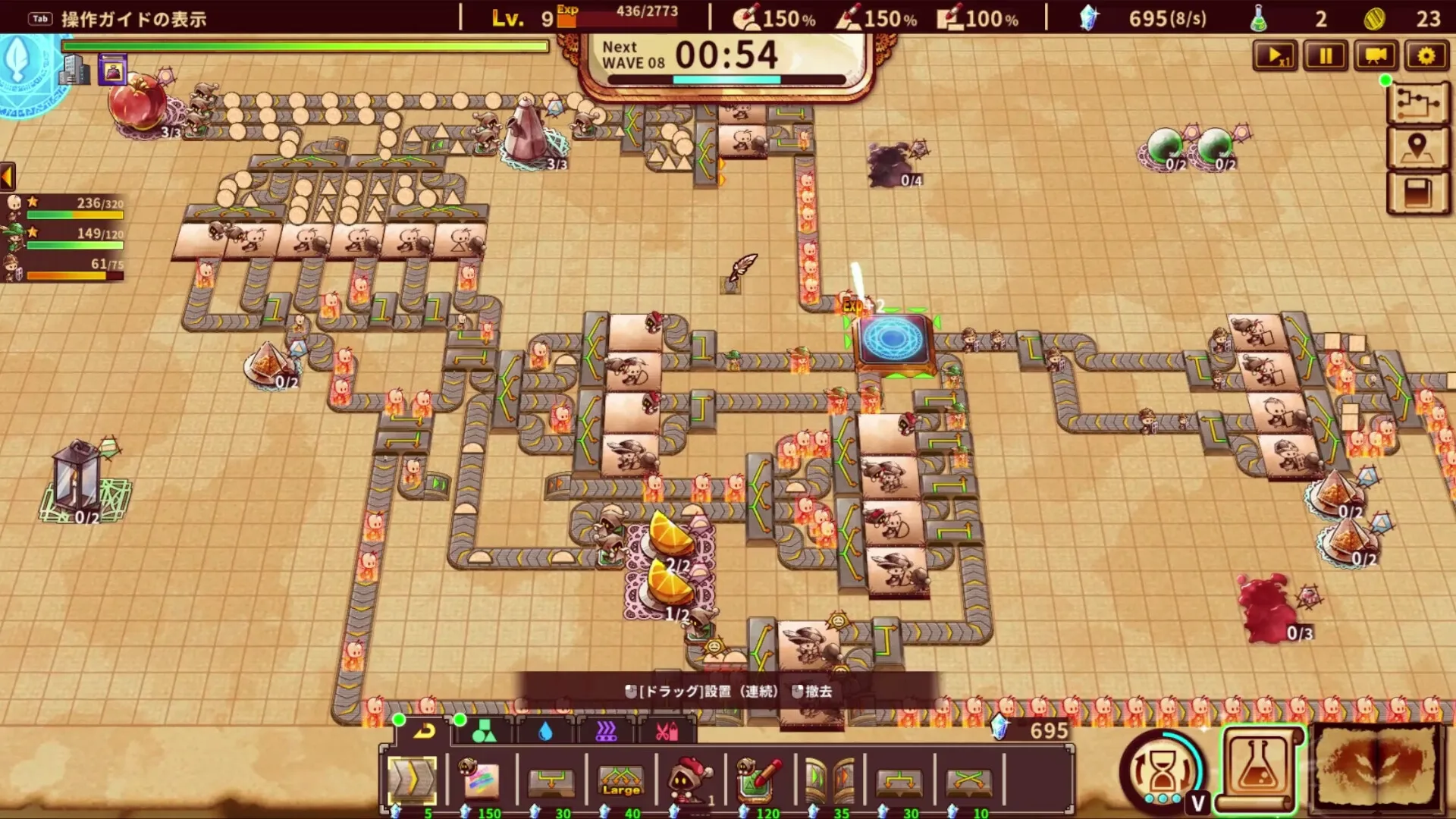
2. Shapes as Functional DNA
Unlike traditional materials, shapes encode behavior.
The geometry, orientation, and combination of shapes determine hero abilities, hitboxes, and combat roles.
Form defines function
Production errors do not reduce efficiency; they fundamentally alter unit behavior.
3. Spatial Logic Over Numerical Optimization
Efficiency metrics are secondary to layout logic.
A compact factory may outperform a larger one if shape routing preserves orientation and integrity.
Spatial correctness
Misaligned conveyors can silently sabotage combat effectiveness.
4. Modular Heroes and Emergent Roles
Heroes are not classes chosen from menus.
They emerge from production patterns, shape layering, and assembly sequencing.
Unintentional specialization
Factories often create roles the player did not consciously design.
5. Throughput Versus Tactical Consistency
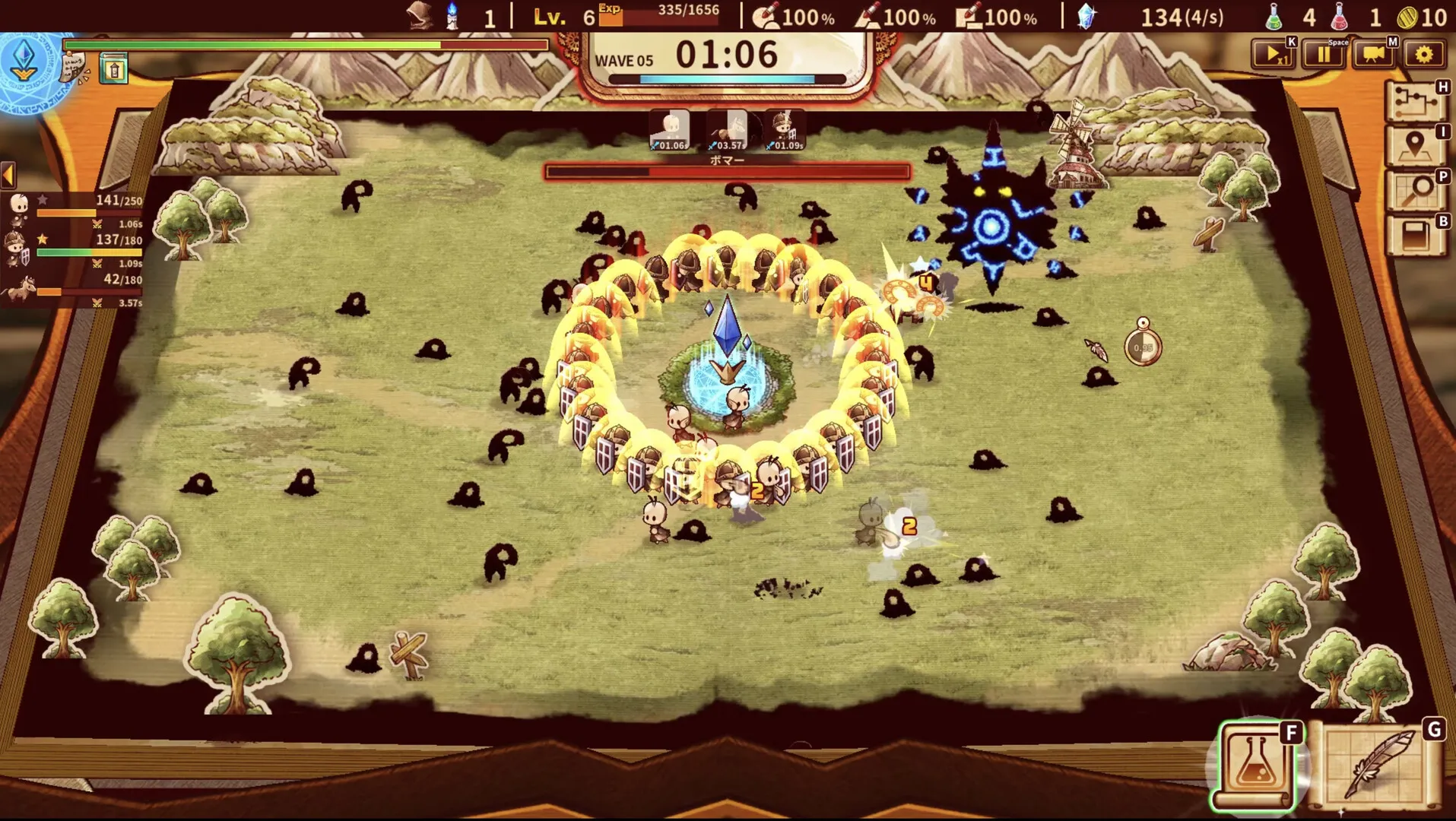
Maximizing output can destabilize combat balance.
High-speed production increases variance in hero composition.
Consistency as a resource
Stable combat outcomes require controlled production, not maximal flow.
6. Bottlenecks as Design Constraints
Bottlenecks are not always failures.
Intentional slowing points allow shape correction, filtering, and alignment.
Productive inefficiency
Strategic delays improve downstream performance.
7. Combat Feedback Reshapes Factory Design
Battle results feed directly back into layout decisions.
A single weak encounter can invalidate entire production chains.
Iterative reconstruction
Factories evolve through failure rather than incremental upgrades.
8. Scaling Complexity Without Automation Crutches
ShapeHero Factory resists late-game abstraction.
Players must manage complexity manually rather than relying on auto-balancing systems.
Cognitive load as challenge
Mastery depends on understanding, not delegation.

9. Player Mindset Shift: Designer Over Manager
The game subtly changes how players think.
Instead of managing numbers, players design systems that express intent through structure.
H4
Expressive automation
Factories become blueprints of strategic thought.
10. Why Imperfect Factories Win Battles
Perfect efficiency often produces fragile systems.
Factories that tolerate variance and redundancy perform better in combat.
This reinforces the game’s core philosophy: resilience over optimization.
Conclusion
ShapeHero Factory stands apart by transforming factory automation into a language of spatial and modular design. Shapes are not resources to be minimized or maximized, but expressive components that define combat identity. By tying production structure directly to battlefield performance, the game challenges players to think like designers rather than managers. Victory comes not from efficiency alone, but from factories that embody intention, adaptability, and strategic foresight.