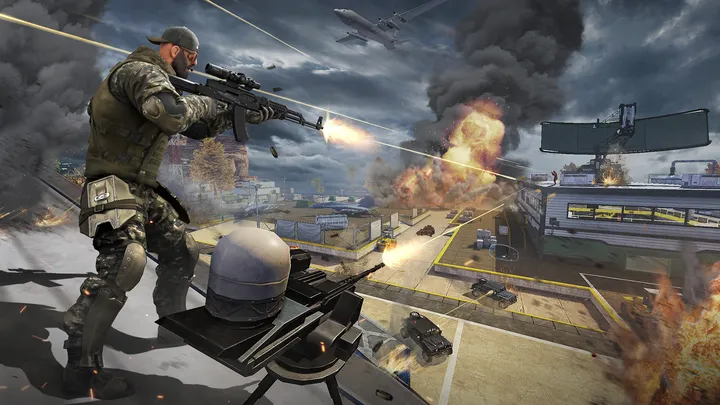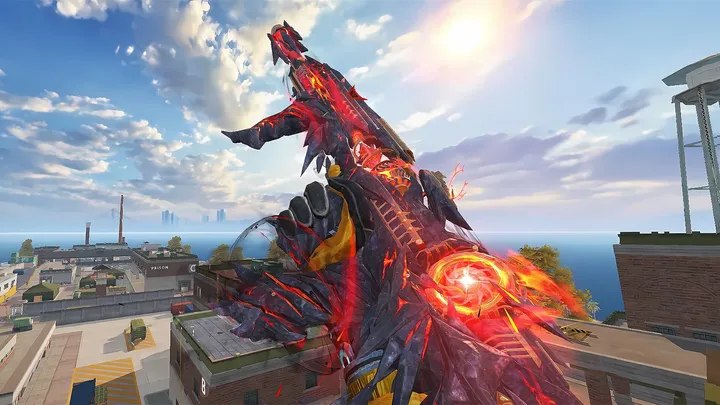






Blood Strike is a fast-paced battle royale and tactical shooter that combines aggressive gunplay, mobility skills, and strategic teamwork into one competitive experience. Unlike slower tactical shooters that focus heavily on positioning alone, Blood Strike rewards speed, quick decision-making, and efficient resource management. Players must constantly balance combat, movement, looting, and survival while adapting to rapidly changing situations.
One of the reasons Blood Strike has become popular is its accessibility combined with high skill potential. New players can quickly understand the basics, but mastering advanced movement, weapon control, and team coordination requires dedication and practice. Every match presents unique challenges, and small mistakes can quickly lead to elimination.
This guide explains how to improve step by step, from understanding the basics to surviving the final zone. Whether you play solo or with teammates, these strategies will help you perform better, secure more eliminations, and increase your chances of victory.
1. How to Understand the Core Gameplay Systems
Before trying advanced strategies, players need to understand the basic structure of Blood Strike. Every match follows a familiar cycle: land, loot, survive, fight, and outlast opponents.
Unlike many traditional battle royale games, Blood Strike emphasizes aggressive mobility and fast engagements. Players who hesitate too long often fall behind in resources and positioning.
Core Gameplay Elements
- Fast-paced gunfights
- Character abilities and movement skills
- Weapon upgrades and attachments
- Zone survival and positioning
- Team coordination
Main Objective
Be the last player or team alive by eliminating opponents and surviving the shrinking play zone.
Beginner Tip
Focus on survival first instead of chasing every fight.
2. How to Choose the Right Character and Skills
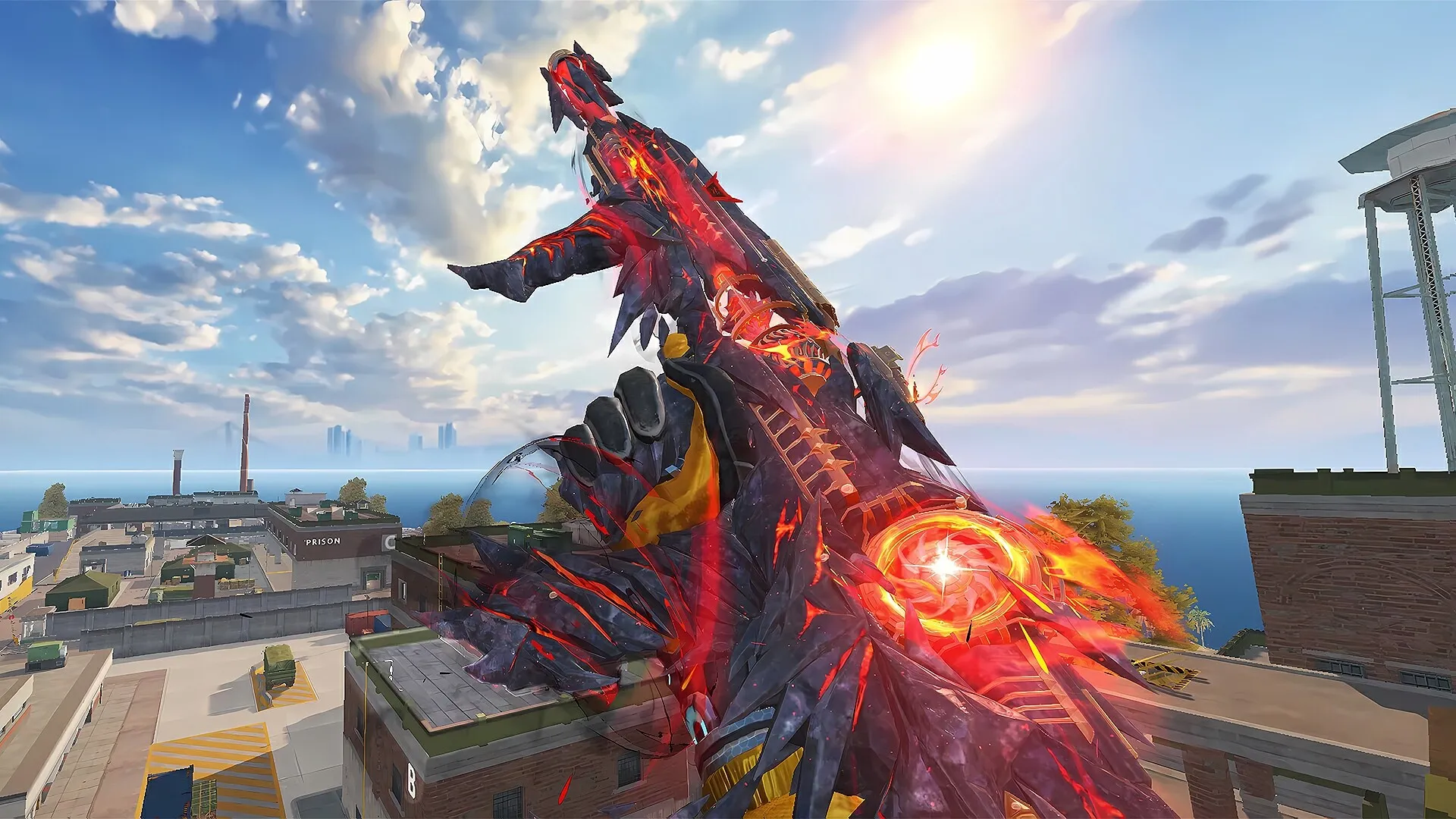
Blood Strike features multiple playable characters, each with unique abilities that influence gameplay style. Some excel at mobility, while others specialize in defense or offense.
Choosing a character that matches your playstyle is important for long-term improvement.
Common Playstyles
- Aggressive entry fighter
- Defensive support player
- Long-range sniper
- Balanced assault player
Character Selection Tips
- Beginners should choose balanced characters
- Aggressive players benefit from mobility skills
- Team players should consider support abilities
Important Advice
Master one character before switching frequently between different playstyles.
3. How to Land Safely and Loot Efficiently
The first minutes of every match are extremely important. Your landing location determines how quickly you can gather resources and prepare for combat.
Landing in highly contested zones can lead to early eliminations, while isolated areas may leave you under-equipped.
Smart Landing Strategy
- Choose medium-risk locations
- Prioritize areas with multiple buildings
- Avoid crowded hot zones as a beginner
Essential Early Loot
- Primary weapon
- Armor plates
- Ammunition
- Healing items
Early Game Tip
Loot quickly and stay moving to avoid becoming an easy target.
4. How to Use Weapons Effectively
Understanding weapon categories is essential in Blood Strike. Every weapon type serves a different purpose depending on range and playstyle.
Players should learn recoil control, reload timing, and weapon strengths.
Main Weapon Categories
- Assault rifles
- SMGs
- Shotguns
- Sniper rifles
- LMGs
Weapon Usage Tips
- Assault rifles are versatile for most situations
- SMGs dominate close-range fights
- Snipers require strong positioning and accuracy
Combat Advice
Do not reload immediately after every fight unless necessary.

5. How to Improve Aim and Gunfights
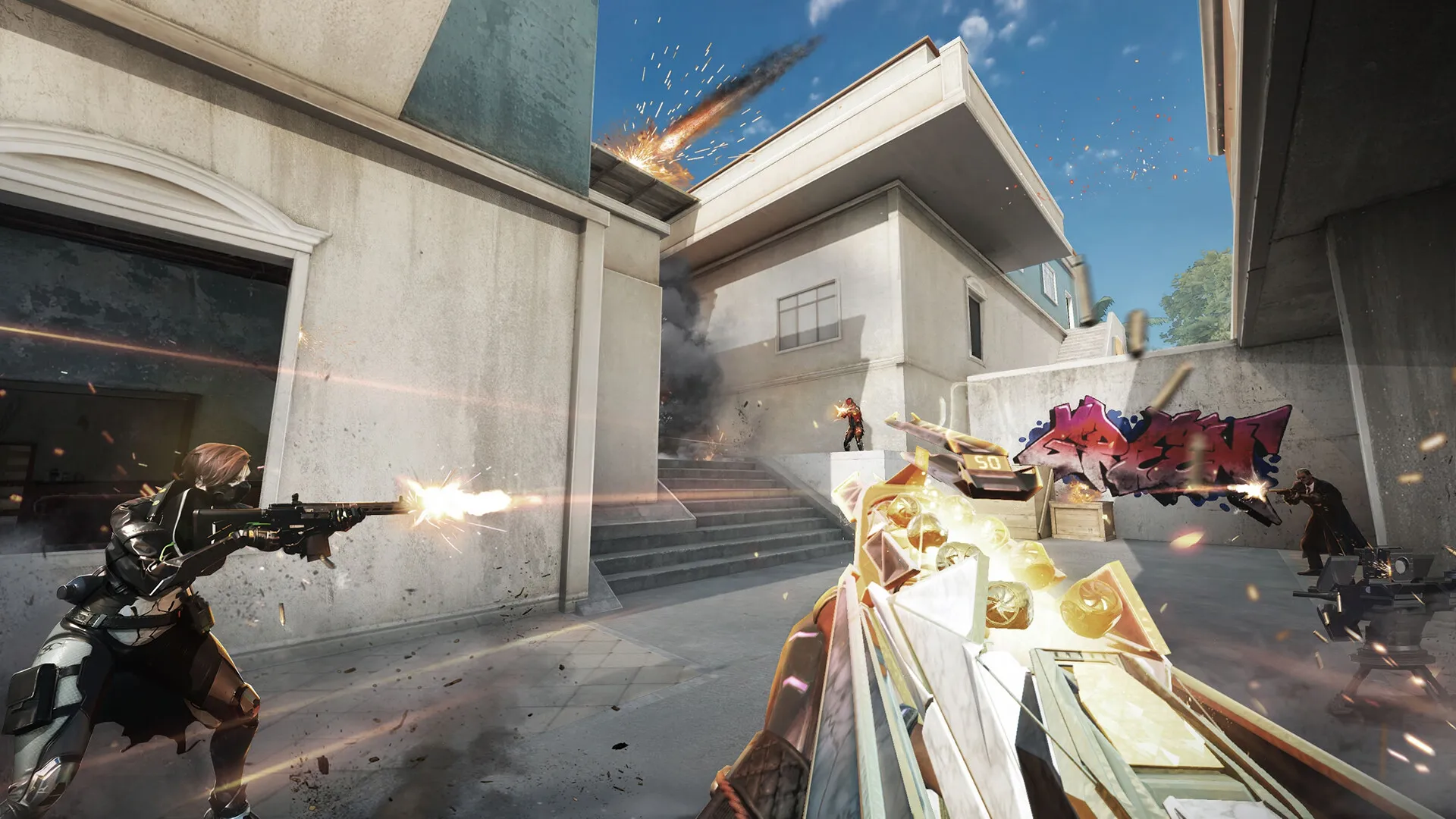
Winning gunfights depends on more than aiming. Movement, positioning, and reaction time all play major roles.
Players who stand still during combat usually lose against mobile opponents.
Aim Improvement Methods
- Practice recoil control
- Aim at upper body or head level
- Track enemy movement smoothly
Gunfight Techniques
- Strafe during shooting
- Use cover effectively
- Avoid open areas during fights
Advanced Tip
Pre-aim common enemy positions before entering buildings or corners.
6. How to Master Movement and Mobility
Movement is one of the most important mechanics in Blood Strike. Fast movement allows players to escape danger, reposition, and surprise opponents.
Aggressive players often combine sliding, jumping, and sprinting to become harder targets.
Mobility Techniques
- Slide canceling
- Jump peeking
- Fast repositioning
- Using vertical terrain
Movement Strategy
Never move in predictable straight lines during combat.
Survival Tip
Good movement can compensate for weaker aim.
7. How to Manage Resources and Equipment
Resource management is critical during longer matches. Running out of ammo or healing items at the wrong moment can end a strong game instantly.
Players should balance inventory space carefully.
Important Resources
- Ammunition
- Armor plates
- Grenades
- Healing supplies
Inventory Management Tips
- Carry enough ammo for both weapons
- Avoid hoarding unnecessary items
- Prioritize healing resources late-game
Key Insight
Prepared players survive longer fights.
8. How to Play Smart as a Team
Teamwork dramatically increases survival chances in squad modes. Many teams lose because players move separately or fail to communicate.
Strong teams share resources and coordinate attacks.
Team Coordination Strategies
- Stay close to teammates
- Share ammunition and healing items
- Mark enemy locations quickly
Teamfight Rules
- Focus fire on one target
- Revive teammates safely
- Avoid splitting unnecessarily
Communication Tip
Simple and clear communication is more effective than constant talking.
9. How to Survive the Final Circles
Late-game zones become extremely dangerous because fewer players remain and the play area becomes smaller.
Positioning matters more than aggressive fighting at this stage.
Endgame Priorities
- Secure strong cover
- Monitor enemy movement carefully
- Preserve healing resources
Final Circle Strategies
- Avoid exposing yourself unnecessarily
- Let enemies fight each other first
- Move with the zone carefully
Endgame Tip
Patience often wins final circles.
10. How to Improve Consistently Over Time
Long-term improvement in Blood Strike requires practice, analysis, and adaptation. Players who review mistakes improve much faster.
Mechanical skill is important, but smart decision-making separates advanced players from average ones.
Improvement Methods
- Watch replays of matches
- Study professional gameplay
- Practice aim regularly
- Learn map layouts thoroughly
Long-Term Goals
- Improve reaction speed
- Develop game awareness
- Master multiple weapon types
Mastery Advice
Consistency is more valuable than occasional great performances.
Conclusion
Blood Strike is a competitive shooter that rewards speed, awareness, teamwork, and mechanical skill. By understanding the core systems, mastering movement, improving aim, and making smarter decisions during fights, players can significantly improve their performance. Success is not just about getting eliminations—it is about surviving longer, positioning intelligently, and adapting to every situation. Whether you prefer aggressive combat or tactical survival, Blood Strike offers a fast and rewarding experience for players willing to practice and improve consistently.