Why Toca Boca World’s Endless Freedom Can Become Its Biggest Challenge for Long-Term Players
Introduction
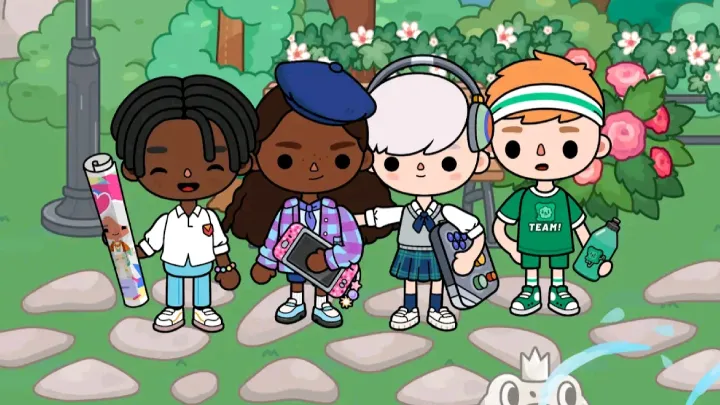
Toca Boca World is widely known as one of the most creative sandbox games for children. Unlike traditional mobile games that focus on levels, missions, and rewards, Toca Boca World allows players to create stories, design characters, build homes, and invent entire worlds using their imagination. This freedom has made the game a global success and a favorite among young players.
However, one specific issue has emerged as the game has grown larger over the years: the paradox of unlimited freedom. While creative freedom is the game's greatest strength, it can also become a challenge for long-term players. Many users eventually reach a point where they own dozens of locations, hundreds of characters, and thousands of items, yet struggle to find meaningful ways to continue playing.
This article explores in depth how unlimited freedom affects gameplay over time, why some players experience creative burnout, and how Toca Boca World attempts to balance imagination with engagement.
The Original Vision of Toca Boca World
A Sandbox Built Around Imagination
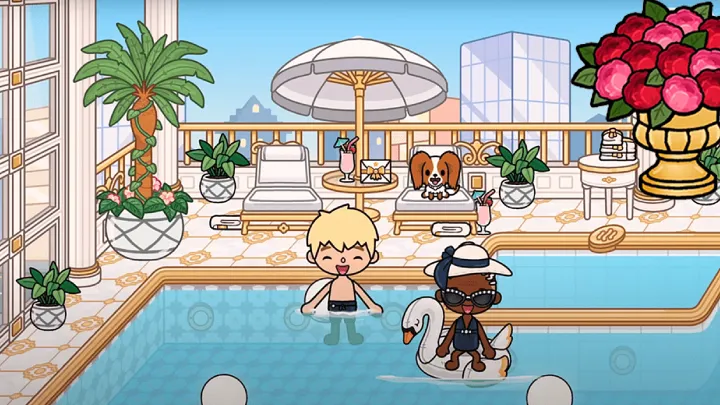
When Toca Boca World was first introduced, its purpose was clear: provide a digital dollhouse where children could tell stories without restrictions. There were no scores, no enemies, and no competitive mechanics. Players could move characters, decorate rooms, and create their own adventures.
This approach distinguished the game from many mobile titles aimed at younger audiences. Instead of rewarding players for completing objectives, the game rewarded creativity itself. Every object could become part of a larger narrative imagined by the player.
Key Features of the Original Design
- Open-ended storytelling
- No failure conditions
- Character customization
- Interactive environments
- Freedom to invent personal narratives
These features formed the foundation of Toca Boca World's success.
Why Unlimited Freedom Feels Exciting at First
The Joy of Discovery
New players often experience excitement because every location feels full of possibilities. A hospital can become a superhero headquarters. A school can become a mystery-solving academy. A house can become a luxury mansion.
The game encourages experimentation. Players quickly learn that objects can be combined in unexpected ways and that nearly every environment contains hidden interactions.
Personal Ownership of Stories
Unlike games that tell a fixed story, Toca Boca World allows players to become authors. This creates a strong emotional connection because every scenario originates from the player's imagination.
For younger audiences especially, this sense of ownership transforms ordinary gameplay into creative expression.
The Expansion Era and Growing Complexity
More Locations Than Ever Before
As Toca Boca World expanded, new locations were added regularly. Apartments, malls, vacation destinations, schools, restaurants, offices, and fantasy-themed areas dramatically increased the size of the game.
Each update provided fresh opportunities for storytelling, but it also introduced a new challenge: managing an increasingly massive world.
The Content Explosion
Players who have collected content for several years often own dozens of buildings and hundreds of rooms. The amount of available content can become overwhelming.
Instead of inspiring creativity, excessive choices sometimes create decision fatigue. Players may spend more time deciding what to do than actually creating stories.
Understanding Creative Burnout in Toca Boca World
What Is Creative Burnout?
Creative burnout occurs when someone who regularly creates content begins to feel mentally exhausted. Although Toca Boca World is designed for entertainment, the constant need to invent new stories can eventually feel demanding.
Players may log into the game, open several locations, and then realize they have no new ideas despite having unlimited tools available.
Common Signs
- Reusing the same story concepts repeatedly
- Starting stories but never finishing them
- Feeling overwhelmed by available options
- Losing motivation to decorate homes
- Visiting locations without interacting much
This issue becomes more common among long-term players who have already explored most game mechanics.
The Difference Between Structured Games and Sandbox Games
How Traditional Games Maintain Engagement
Most successful games rely on carefully designed progression systems. Players unlock achievements, gain rewards, complete quests, and reach milestones.
These systems constantly provide short-term goals that guide player behavior.
Why Toca Boca Takes a Different Path
Toca Boca World intentionally avoids many of these mechanics. The game trusts players to create their own objectives.
While this approach promotes creativity, it also means players must generate motivation internally rather than receiving it from the game itself. This becomes increasingly difficult over time.
The Rise of Social Media Storytelling
YouTube and Roleplay Communities
One unexpected solution to creative burnout came from social media. Many players began sharing Toca Boca stories on platforms such as YouTube, TikTok, and Instagram.
Instead of playing solely for personal enjoyment, creators started producing episodic content with recurring characters and ongoing plots.
A New Source of Inspiration
Watching other creators introduced fresh ideas. Players discovered new character archetypes, storytelling techniques, and house designs.
Social media effectively became an extension of the game itself, helping sustain engagement beyond what the core gameplay could provide.
Why Large Item Collections Can Reduce Creativity
The Psychology of Too Many Choices
Research in psychology often shows that excessive options can make decision-making more difficult. Toca Boca World demonstrates this phenomenon clearly.
A player with twenty furniture items may quickly decorate a room. A player with thousands of items may spend much longer selecting objects and still feel dissatisfied.
The Collection Problem
As inventories expand, many players become collectors rather than storytellers. They focus on acquiring new items but rarely use them in meaningful narratives.
The excitement shifts from creating stories to merely owning content, which can reduce long-term engagement.
How Home Designer Changed Player Behavior
The Shift Toward Interior Design
The introduction of Home Designer significantly transformed gameplay. Players could now build and customize houses with unprecedented freedom.
This feature attracted a new audience interested in architecture and decoration rather than roleplay.
Benefits and Drawbacks
Home Designer increased creativity by offering nearly endless customization possibilities. At the same time, it intensified the challenge of unlimited freedom.
Some players spent hours designing rooms but struggled to develop stories afterward. The act of decorating became the primary activity.
Common Design Trends
- Luxury mansions
- Modern apartments
- Celebrity houses
- School dormitories
- Fantasy castles
These trends reveal how players adapted the game to suit their personal interests.
The Importance of Self-Imposed Challenges
Creating Structure Within Freedom
Experienced players often develop their own rules to maintain engagement. Instead of relying on the game to provide objectives, they invent personal challenges.
This approach introduces structure while preserving creative freedom.
Examples of Popular Challenges
- Creating a family story for thirty consecutive in-game days
- Designing a home using only free items
- Running a virtual restaurant business
- Creating a school drama series
- Building an entire city from scratch
These challenges transform open-ended gameplay into focused creative projects.
The Future of Toca Boca World’s Creativity Problem
Balancing Freedom and Direction
The biggest design challenge facing Toca Boca World is maintaining its identity while helping players remain engaged. Too much structure could undermine creativity, while too little structure may lead to boredom.
The developers must continue finding ways to inspire players without dictating how they should play.
Potential Solutions
Future updates could introduce optional story prompts, seasonal creative events, or themed building challenges. These features could provide inspiration while preserving player freedom.
Such systems would act as creative catalysts rather than traditional missions, helping players discover new possibilities within the sandbox environment.
Future Opportunities
- Weekly storytelling themes
- Community design showcases
- Creative building contests
- Optional narrative templates
- Enhanced sharing features
If implemented carefully, these additions could strengthen long-term engagement without compromising the game's core philosophy.
Conclusion
Toca Boca World remains one of the most innovative sandbox games ever created for younger audiences. Its emphasis on creativity, storytelling, and self-expression has allowed millions of players to build unique experiences that no scripted game could replicate.
Yet the very freedom that makes the game special also creates a long-term challenge. As content libraries expand and possibilities become nearly limitless, some players experience creative burnout, decision fatigue, and a lack of direction. This is not a flaw unique to Toca Boca World; it is a challenge faced by many open-ended creative platforms.
The future success of Toca Boca World will depend on its ability to inspire players continuously while preserving the unrestricted imagination that defines the game. By finding the right balance between freedom and guidance, the game can continue to be a place where creativity thrives for years to come.