.webp)








Songs of Silence blends real-time tactical battles with kingdom management, exploration, and beautifully illustrated storytelling. While the game looks elegant and peaceful on the surface, its strategy depth is far greater than new players expect. Behind the enchanting visuals lies a complex system of unit synergies, hero abilities, economy planning, and battlefield decision-making that can overwhelm anyone who jumps in without guidance.
This guide teaches you how to become a skilled commander—one who understands both the harmony and chaos at the heart of Songs of Silence. Whether you want to optimize your economy, dominate battles, explore the world efficiently, or craft perfect army compositions, this guide will help you master every system step by step. Instead of focusing on basic tutorials, we dive deeper into strategic thinking, advanced combat flow, and how to make decisions that lead your kingdom toward long-term success.
1.Understanding Factions, Heroes, and Core Principles
Songs of Silence features multiple factions with distinct identities, philosophies, and army behaviors. Understanding each faction is crucial, because your available units, spells, and strategies revolve around your chosen kingdom. Some factions excel at swarming tactics, others rely on powerful elites, while others dominate through ranged control or spell influence. Learn the strengths and limits of each before committing to large campaigns.
Heroes serve as the heart of your army. Their passive bonuses, battlefield abilities, and strategic skills determine your overall combat rhythm. Some heroes empower frontline units, others specialize in magic support, while elite heroes can wipe out entire enemy waves with large area effects. Choose heroes that match your preferred playstyle rather than simply picking the strongest ones.
Finally, core strategic principles apply to every faction. Maintain army balance, scout early, control key map locations, and keep your economy stable. These foundational choices drastically improve your win rate, especially during the first few hours of a new campaign.
2.Mastering Army Composition and Unit Synergy
Army composition is the foundation of victory in Songs of Silence. The game rewards synergy rather than brute force, meaning a well-balanced army can outperform a larger but uncoordinated group. Always combine frontline tanks, midline damage dealers, and rear support units to create a controlled battlefield flow.
Each unit type plays a unique role. Shielded infantry are ideal for protecting fragile ranged units, cavalry excel at flanking and breaking formations, and mages control zones with area effects. Mixing these types gives you flexibility and resilience during unexpected encounters. Never rely on one unit type exclusively—your weaknesses will be easily exploited.
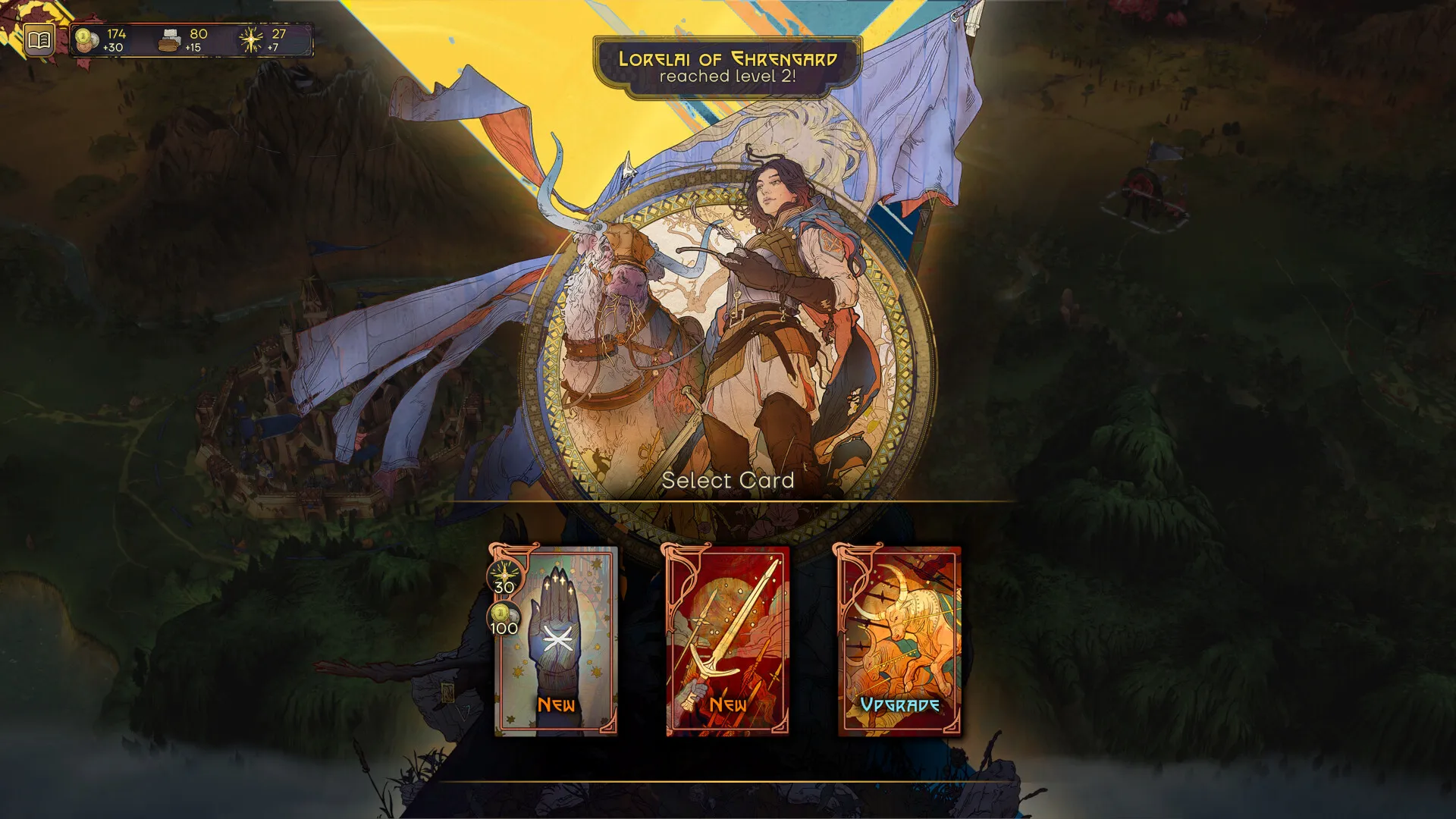
Upgrades and promotions further shape your army. As your units level up, prioritize traits that enhance synergy. Buffers should improve support abilities, tanks should gain survivability, and ranged units should maximize precision. A well-upgraded army becomes exponentially stronger, especially in longer campaigns with repeated battles.
3.Battlefield Awareness and Real-Time Combat Tactics
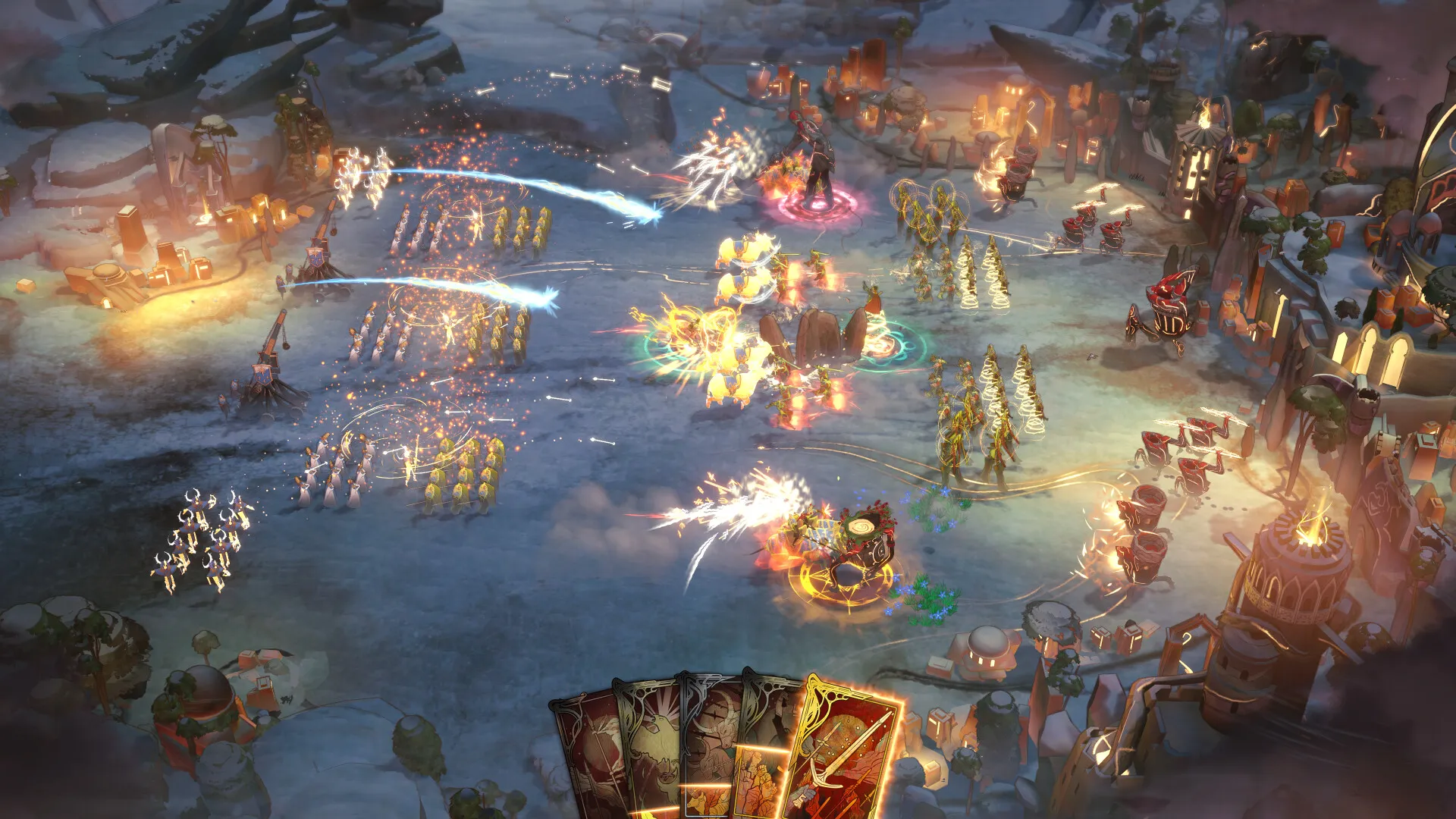
Real-time battles are fast, dynamic, and require sharp decision-making. Success depends on managing formations, positioning, and ability timing. Always start battles by evaluating enemy placement before engaging. Identify their frontline, ranged threats, and flanking units. With this information, you can structure your army to counter their strategy effectively.
Positioning is the most critical skill. Keep tanks in the center to absorb damage, place ranged units behind them, and send cavalry to attack vulnerable sides. If you allow your archers to be rushed or your frontline to collapse, even a strong army will fall. Use terrain advantages—high ground offers better line of sight, while choke points limit enemy movement.
Timing abilities properly often determines victory. Do not waste powerful cooldowns on weak enemies. Save them for enemy elites, large hordes, or the final wave of a mission. Proper use of hero abilities can turn a losing fight into a decisive win, especially when your army is outnumbered.
4.Economy, Resources, and Long-Term Growth
A strong economy ensures long-term survival. Songs of Silence requires careful management of gold, supplies, manpower, and magical resources. Avoid overspending early or expanding too quickly. Each structure and upgrade should be chosen with a clear purpose—either boosting your army, enhancing exploration, or supporting future production.
Focus first on resource-generating buildings. Over time, these investments create stability and allow you to recruit stronger units later. Productivity compounds, and players who plan ahead will have a smoother campaign. Always balance spending between immediate power and long-term growth.
Diplomacy and trade also shape your economic strength. Certain regions offer unique bonuses that enhance resource flow. Securing these locations early gives you major advantages throughout the game. Your economic strategy should always consider future battles, expansions, and kingdom upgrades.
5.Exploration, Map Control, and Strategic Expansion
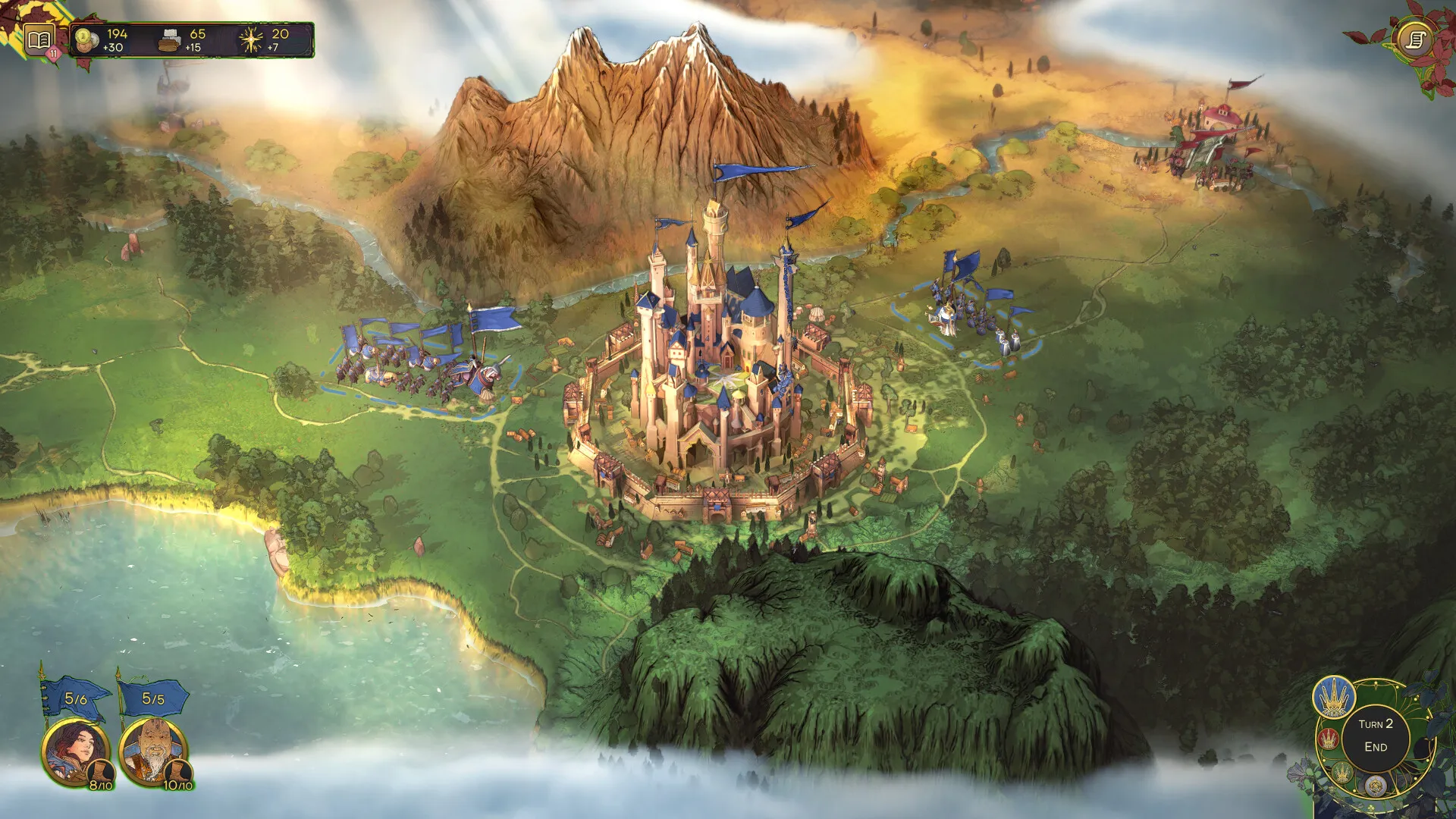
Exploration is essential for gaining resources, unlocking new heroes, and discovering threats before they reach your territory. Send scouts or lightweight units across the map to gather intel, secure outposts, and reveal enemy movements. Information is power, and knowing where threats originate allows you to prepare defenses in advance.
Map control gives you natural advantages. Key regions contain valuable bonuses—extra gold, magical artifacts, recruitment boosts, or defensive positions. Capture these early and protect them fiercely. Losing control of these zones often shifts momentum in favor of your enemy.
Strategic expansion should be deliberate. Do not spread your forces too thin unless you are confident in your defense. Expand in directions that reinforce your strengths or provide essential resources. A well-planned expansion beats reckless conquest every time.
6.Hero Development and Ability Synergy
Heroes represent your strongest tools in battle. Developing them intelligently results in massive increases in army potential. Focus on skills that complement your chosen units. A support hero should boost healing, buffs, or mana regeneration, while a frontline hero should strengthen armor or improve tanking capabilities.
Synergy between heroes matters as much as synergy between units. Pair heroes whose abilities amplify each other. For example, combining an area-damage hero with a crowd-control hero produces devastating results. A defensive hero paired with a healer creates an extremely hard-to-kill frontline.
Always prioritize hero abilities that give you flexibility. Abilities that control the battlefield, provide emergency healing, or disable enemy elites create survival opportunities in difficult encounters. A well-built hero can carry you through late-game battles even when your army is outnumbered.
7.Managing Threats, Enemy Factions, and The Silence
The Silence represents the primary threat in Songs of Silence. Its corruption spreads, transforming the world and spawning dangerous enemies. Managing this threat requires constant awareness. Clearing corruption early prevents larger future outbreaks, while ignoring it allows powerful enemies to emerge and overwhelm unprepared armies.
Other factions also pose challenges. Some act aggressively, while others defend key regions or form alliances with you. Adapt your strategies based on their behavior. If facing a fast-growing enemy, hinder their expansion by capturing critical structures. If dealing with a defensive faction, prepare for slow, methodical sieges.
Learning your enemies’ strengths helps you develop better counters. Treat each faction uniquely—just like their armies, their weaknesses differ. Success comes from reading your opponent and adapting quickly.
8.Late-Game Strategy and Scaling Your Power
Late-game content challenges even experienced players. Enemy forces become larger, heroes grow stronger, and corruption spreads faster. To succeed, you must scale your economy, units, and abilities together. Upgrade structures, optimize production, and maintain multiple armies if necessary.
Focus on elite units during the late game. These troops have superior stats and can withstand longer battles. Support them with powerful spells and fully developed heroes. Late-game encounters often rely on burst damage, strong defenses, and efficient cooldown usage.
Finally, prepare for multiple-front conflicts. Enemies will attack from different directions, forcing you to respond quickly. Maintain reserve troops or a mobile army dedicated to defending vulnerable regions. Proper late-game management ensures your kingdom survives even the most overwhelming threats.
Songs of Silence blends art, strategy, and real-time combat into a deeply rewarding experience. Mastery comes from understanding unit synergy, hero abilities, resource management, map control, and long-term planning. Whether you're commanding armies during large battles or shaping the kingdom’s destiny through careful decisions, skill and awareness define your journey.
This guide provides the foundation to play like an expert. As you continue exploring the world, refining your armies, and unlocking new strategies, Songs of Silence reveals even greater depth. With patience, creativity, and strategic thinking, you will lead your kingdom to victory and restore harmony to the realms threatened by The Silence.