





Introduction
Dead Island 2 is a chaotic, sun-bleached zombie survival experience set across a fallen Los Angeles. With fast-paced combat, character-building systems, and a world full of hazards, players often struggle to survive the early hours. This guide will walk you through exactly how to start, how to build your character, how to fight smarter, and how to progress efficiently from the first mission all the way to late-game survival. Instead of simply reviewing the game, this manual focuses entirely on practical, actionable steps to help any player dominate HELL-A and become an unstoppable slayer.
Whether you are a complete beginner or a returning player looking for deeper mastery, this guide breaks every essential skill into clear phases. You’ll learn how to pick a character, how to explore safely, how to approach combat, how to craft weapons, how to read zombie behavior, and how each district should be tackled. By the end, you will understand every tool Dead Island 2 gives you and how to use it at the perfect moment.
SECTION 1: HOW TO START THE GAME THE RIGHT WAY
The first major decision you will make is choosing a slayer. The game offers several characters, each with unique strengths that influence your early playstyle. Players who are new to melee combat may prefer more durable characters such as Jacob or Dani. If you enjoy aggressive, high-damage gameplay, slayers like Amy or Bruno offer fast-paced action. The key is selecting a character whose stats match how you plan to take on zombies.
Once you begin the opening mission, focus on familiarizing yourself with movement controls, attack timing, dodging, and environmental interactions. Dead Island 2 rewards situational awareness and punishes button-mashing. Move slowly, explore carefully, and pick up every resource available. The early game is forgiving compared to later encounters, so use this phase to build good habits.
Before progressing too far, make sure you loot bathrooms, garages, kitchens, and toolboxes, as these areas always contain crafting materials. You’ll rely heavily on these items for upgrades, repairs, and weapon modifications later. Starting the game slowly and methodically is the best foundation for long-term survival.
SECTION 2: HOW TO MASTER MOVEMENT AND EVADE ZOMBIES
The most important skill for beginners is learning how to dodge. Every zombie type has unique attack animations, but the game gives clear visual cues before they strike. Practice stepping backward, sidestepping, or using a timed dodge to trigger “Fury openings” for massive counterattacks. Mastery of evasion dramatically reduces damage taken and allows you to conserve healing items.
Movement also helps you control the flow of combat. Instead of fighting zombies head-on, kite them into chokepoints like doorways or narrow alleys. This limits their ability to swarm and allows you to strike safely. Dead Island 2’s damage system also rewards targeting limbs. Position yourself to strike at weak spots—legs to cripple runners, arms to disable heavy hitters.
Finally, learn to use the environment for mobility advantages. Jump onto cars, climb ladders, or vault barriers to temporarily break line of sight. Zombies are persistent but predictable, and mobility often means the difference between survival and a painful death.
SECTION 3: HOW TO FIGHT EFFECTIVELY IN THE EARLY GAME
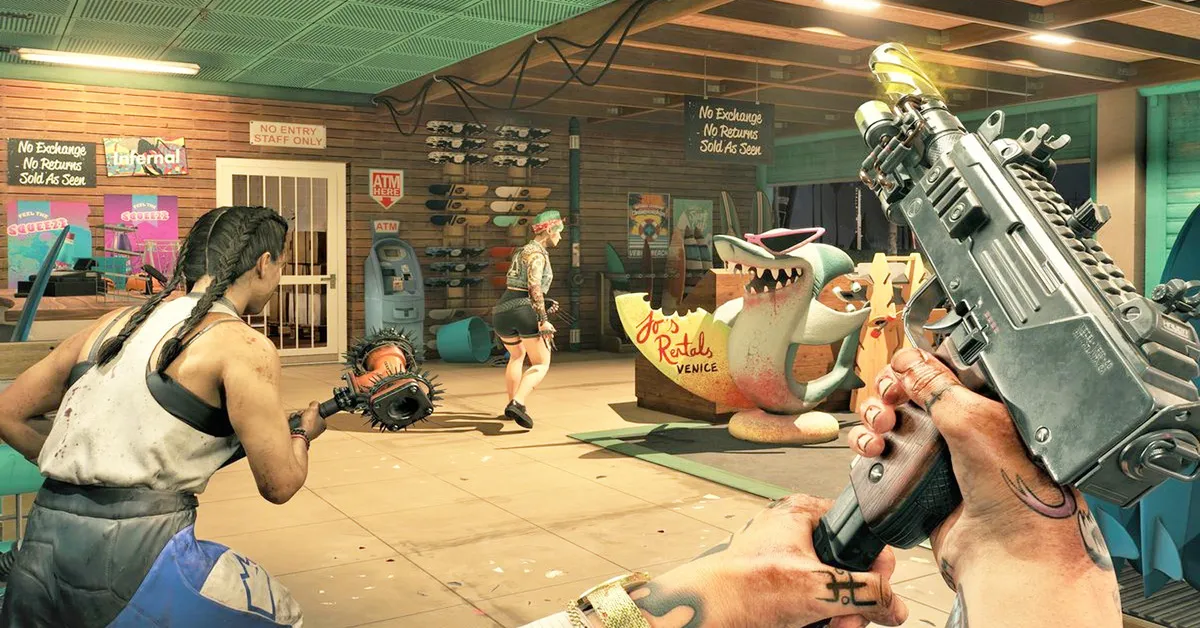
Melee weapons dominate the first several hours, and understanding how to combine light attacks, heavy strikes, and special moves lets you control every encounter. Experiment with weapons that match your rhythm—fast slashing knives, heavy sledgehammers, blunt bats, or cutting blades. Because weapon durability can drop quickly, try not to rely on a single weapon.
Use stamina responsibly. Swinging wildly will leave you exhausted and vulnerable. Instead, chain together shorter attack sequences and retreat when needed. Many new players die simply because they overcommit to long combos. Additionally, kicking is one of the most powerful tools available early. A well-timed kick can stagger zombies, push them into hazards, or create space for repositioning.
Remember to target limbs strategically. Crippling a zombie by destroying its legs is safer than killing it outright, and disarming a strong enemy can turn a difficult encounter into a manageable one. Early-game combat is about control, precision, and timing—not overwhelming force.
SECTION 4: HOW TO UNDERSTAND AND USE ZOMBIE TYPES
Dead Island 2 features a wide variety of zombies, each requiring a different approach. Runners are fast and aggressive, but easily staggered by kicks or heavy attacks. Walkers are slow but hit hard if ignored. Crushers are large, armored zombies whose ground-pound attack must be dodged. Screamers can trap you with sound waves if you stand too close.
Learning to identify enemy types by silhouette and sound gives you an advantage. Once you know what you’re facing, you can adapt instantly. For example, if you see a Bloater, shoot or throw something at them from a distance to avoid their toxic explosion. If you hear a Screamer, stay out of line of sight until you close in for a quick kill.
Environmental interactions also make certain zombies easier to manage. Burning zombies are vulnerable to water attacks; shock zombies are weak to blunt strikes. Understanding the ecosystem of undead types makes you dramatically more efficient and safer overall.
SECTION 5: HOW TO USE THE ENVIRONMENT FOR MAXIMUM DAMAGE
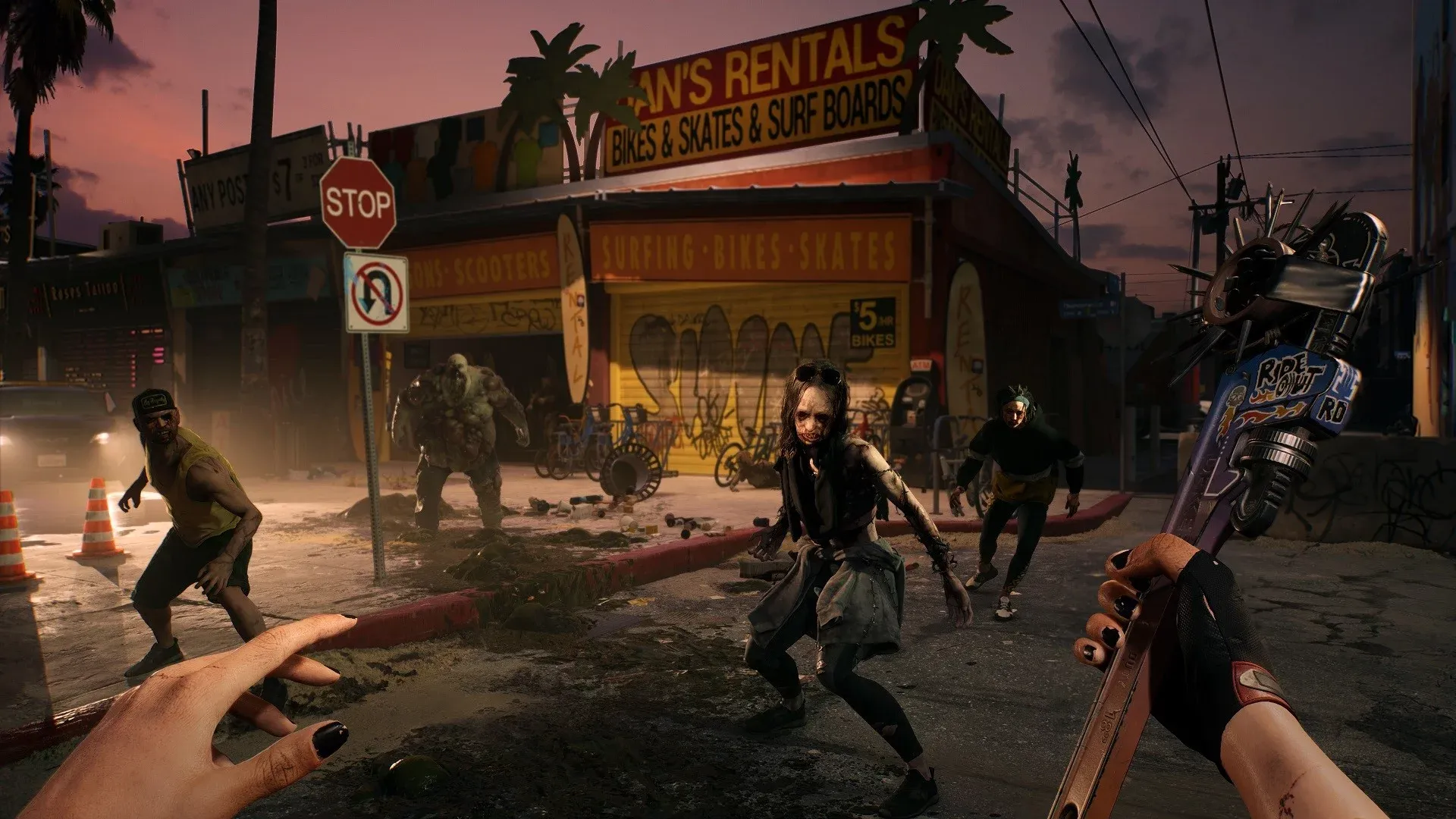
Dead Island 2’s world is filled with hazards you can weaponize. Water puddles can conduct electricity, fuel canisters can ignite, and leaking gas lines can be triggered with a spark. Smart players never fight zombies in open areas when they can lure them into deadly traps.
When entering a new area, scan for environmental opportunities before engaging. You may find explosive barrels, car alarms, power cables, or acid spills. With proper positioning, you can defeat large groups of zombies with minimal effort. Remember that zombies follow noise aggressively, so throwing items or kicking objects can help herd them into dangerous zones.
Use height to your advantage as well. Jump attacks deal bonus damage, and pushing zombies off ledges is an easy way to eliminate difficult threats. Thinking tactically turns every battle into an opportunity instead of a risk.
SECTION 6: HOW TO CRAFT, UPGRADE, AND MANAGE WEAPONS
Workbench access is essential for survival. Every time you reach a new safehouse, upgrade your main weapons to keep their stats competitive with enemy levels. Repairs cost materials, so avoid upgrading weapons you plan to discard soon.
Modifications allow you to add elemental effects like fire, shock, and acid. These dramatically increase damage output and open new strategies. For example, shocking a water-soaked zombie causes a chain reaction that can wipe out entire crowds. Fire mods are powerful but can spread unpredictably, so use them wisely.
Weapon rarity matters. Blue and purple weapons scale better, have higher durability, and typically come with slot enhancements. Save your best mods for these weapons instead of wasting them on common gear. With good maintenance, a single upgraded weapon can carry you through several major missions.
SECTION 7: HOW TO BUILD YOUR SLAYER WITH SKILL CARDS
Dead Island 2’s skill card system replaces traditional leveling, giving players flexible customization options. Early in the game, prioritize cards that improve survivability: increased toughness, damage reduction while attacking, and stamina boosts. As you grow more confident, shift toward cards that enhance offensive abilities.
Several categories of cards shape your playstyle: Abilities, Innate Slayer Skills, Survivor Skills, and Numen Skills. Experiment with different combinations to create synergy. For example, pairing ground-pound boosts with resilience cards turns you into a devastating mid-range fighter.
Because cards can be swapped any time, feel free to adapt your build to specific missions. Use mobility cards for tight indoor zones and heavy-damage cards for boss fights. Flexibility is the core strength of the system—use it.

SECTION 8: HOW TO EXPLORE EACH DISTRICT EFFECTIVELY
Los Angeles is divided into multiple districts, each with unique hazards, loot opportunities, and enemy distributions. Travel slowly through new areas to avoid ambushes. Clear side paths first to gather crafting materials before tackling main missions. Always open lockboxes and complete Lost & Found quests—they offer some of the strongest weapons in the game.
Use fast-travel points whenever possible to revisit earlier maps. Zombies respawn, which means endless opportunities to farm XP and materials. Focus on revisiting Beverly Hills and The Pier regularly, as these zones contain high-value loot drops and strong mid-game zombies.
Organizing your exploration keeps you prepared for major battles ahead. HELL-A rewards patience, awareness, and curiosity.
SECTION 9: HOW TO COMPLETE MISSIONS AND SURVIVE STORY BATTLES
Main missions gradually increase in difficulty, introducing tougher zombie types and more environmental traps. Before starting any major mission, check your healing supplies, repair your weapons, and equip cards that match the challenge. Many boss fights involve learning attack cycles and staying mobile rather than brute-forcing damage.
During story battles, avoid staying in one location too long. Zombies spawn from multiple angles, and lack of movement will get you cornered. Use dropkick attacks, curveballs like grenades, and elemental traps to thin out groups.
When fighting elite zombies like Mutators or Crushers, maintain distance until you understand their patterns. They punish reckless play but are easily defeated with patience and environmental advantages. Surviving the campaign is about adapting, experimenting, and avoiding unnecessary risks.
SECTION 10: HOW TO MASTER LATE-GAME SURVIVAL AND ENDGAME PLAY
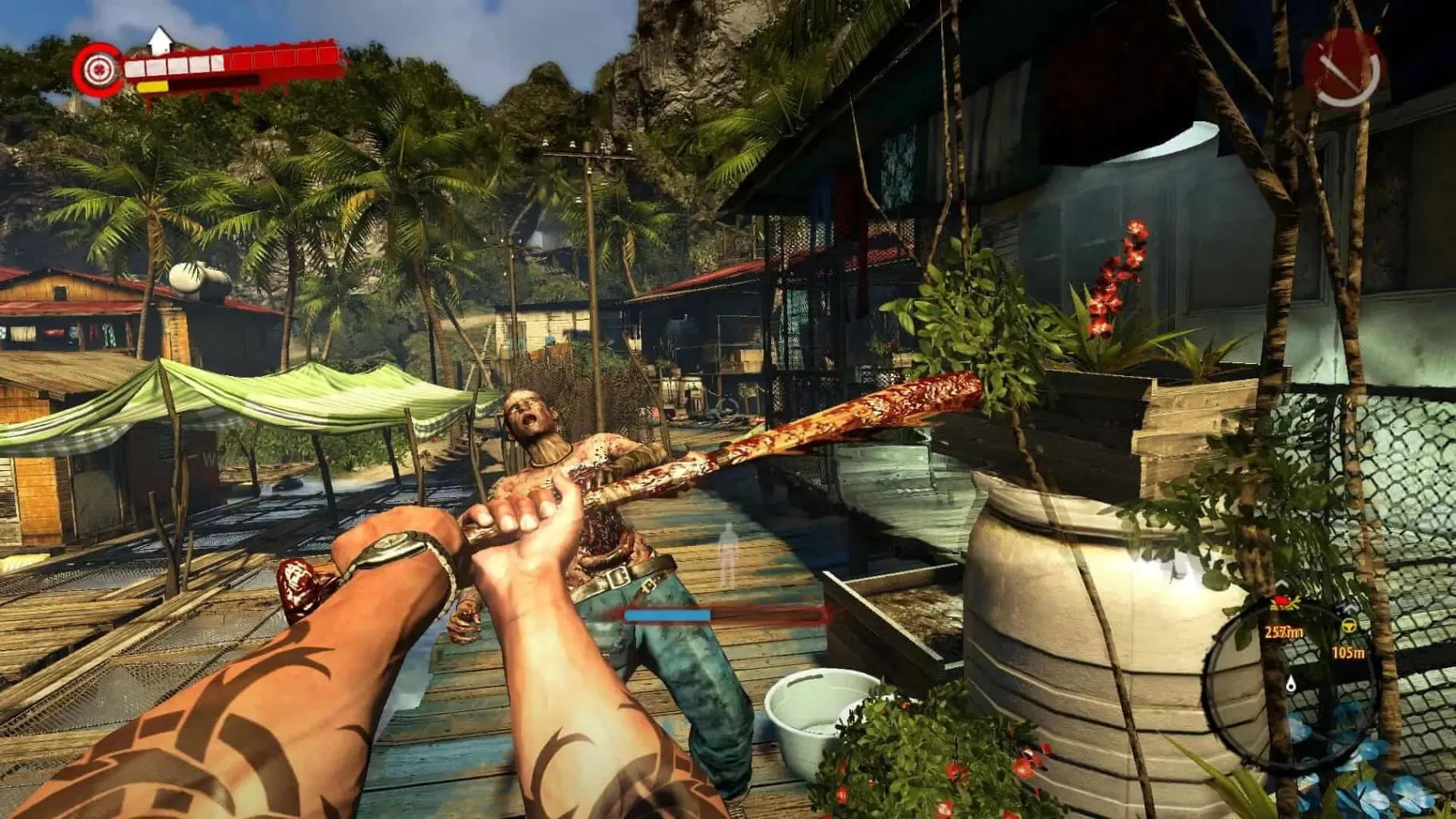
Once you reach the endgame, the world becomes significantly more dangerous. Special variants, mutated zombies, and large hordes appear more often. Invest in high-rarity weapons, especially those with legendary effects. Focus on crafting explosive curveballs and maximizing your elemental synergies.
Endgame survival also depends on smart resource management. Repair only your strongest weapons and dismantle weak ones for materials. Continue revisiting districts with high enemy density to maintain XP flow. Consider experimenting with Fury Mode more often, as it becomes essential for controlling waves of advanced zombies.
The final phase of Dead Island 2 is about efficiency. Combat becomes faster, zombies hit harder, and your reactions must be sharp. But with the right weapons, skills, and understanding of zombie patterns, you can handle even the toughest encounters.
CONCLUSION
Dead Island 2 offers a thrilling, chaotic survival experience that rewards strategic thinking, smart combat choices, and consistent exploration. This step-by-step guide gives you the practical tools needed to navigate the game from start to finish, whether you’re battling hordes, crafting deadly weapons, or mastering slayer builds. As you improve your movement, weapon management, and understanding of zombie types, you’ll transform from a vulnerable newcomer into an unstoppable force capable of clearing entire districts. With patience, awareness, and a willingness to experiment, you can thrive in HELL-A and enjoy everything Dead Island 2 has to offer.
160-CHARACTER SUMMARY
Step-by-step guide to mastering Dead Island 2: learn movement, combat, crafting, exploration, zombie types, and survival tactics to dominate HELL-A.